
-
-
-
-
Resources

-
Contact Us



Optical Filters: A Comprehensive Guide to Their Functionality and Applications
Classification: Knowledge
Release time: 2026-09-01
Outline: Understanding Optical Filters and Their Importance Optical filters are integral components in many optical systems. They manipulate light waves in various ways, enhancing or filtering specific wavelengths to achieve desired results in a multitude of applications. From photography and videography to telecommunications and scientific research, optical filters play a crucial role in improving the fun
Understanding Optical Filters and Their Importance
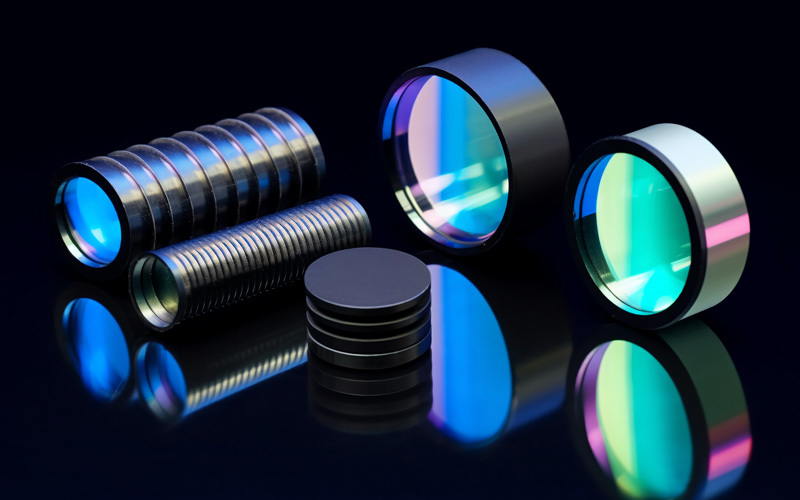
Optical filters are integral components in many optical systems. They manipulate light waves in various ways, enhancing or filtering specific wavelengths to achieve desired results in a multitude of applications. From photography and videography to telecommunications and scientific research, optical filters play a crucial role in improving the functionality and performance of optical devices.
The Basics of Optical Filters
Optical filters are devices that selectively transmit light of various wavelengths while blocking others. They can be classified based on their functionality and design:
Types of Optical Filters
1. **Absorptive Filters**: These filters absorb specific wavelengths of light, preventing them from passing through. Commonly used in photography, these filters can reduce glare and improve image quality.
2. **Reflective Filters**: Reflective filters work by reflecting certain wavelengths while allowing others to pass. They are often used in scientific applications to enhance the quality of measurements.
3. **Interference Filters**: Utilizing the principle of constructive and destructive interference, these filters create narrow bands of transmitted wavelengths. They offer precise control over the light spectrum and are widely used in laser applications and spectroscopy.
4. **Bandpass Filters**: These filters allow a specific range of wavelengths to pass while blocking others. They are commonly used in fluorescence microscopy and optical communications.
5. **Notch Filters**: Notch filters block a specific wavelength or band of wavelengths while allowing all others to pass. They are particularly useful in applications where certain wavelengths must be excluded, such as in laser operations.
How Do Optical Filters Work?
Understanding the operation of optical filters requires a brief look into the principles of light and optics. Light behaves as both a wave and a particle, and optical filters leverage this behavior to control light transmission.
**Interference** plays a crucial role in the functionality of many optical filters. By utilizing multiple layers of thin films, interference filters can manipulate light waves to enhance or diminish specific wavelengths. When light waves encounter these layers, they can interfere constructively (adding together) or destructively (cancelling each other out). This principle allows for the creation of filters that can selectively transmit or block specific wavelengths.
Applications of Optical Filters
Optical filters find applications across various industries due to their ability to enhance light transmission and improve image quality. Here are some key areas where optical filters are widely used:
1. Photography and Videography
In photography, optical filters are essential for controlling light exposure and enhancing image quality. Common filters include neutral density filters, which reduce the intensity of light without affecting color balance, and polarizing filters, which minimize reflections and enhance color saturation. These tools allow photographers to achieve stunning results in various lighting conditions.
2. Telecommunications
In the telecommunications sector, optical filters are vital for fiber optic communication systems. They help manage signals by allowing specific wavelengths to pass through while blocking unwanted noise and interference. This selective filtering ensures high-quality signal transmission over long distances, thus enhancing data integrity and speed.
3. Scientific Research
Optical filters are extensively used in laboratories and research facilities. In spectroscopy, for example, interference filters can isolate specific wavelengths for chemical analysis, enabling researchers to identify materials based on their unique light absorption characteristics. Additionally, fluorescence microscopy relies on optical filters to illuminate specimens with specific wavelengths while blocking out background light.
Choosing the Right Optical Filter
When selecting an optical filter for a specific application, several factors must be considered:
1. Wavelength Range
Different filters are designed to transmit specific wavelengths. It's essential to identify the required wavelength range for your application to ensure optimal performance.
2. Transmission Efficiency
The efficiency of an optical filter is determined by how much light it transmits versus how much it blocks. High transmission efficiency is crucial for applications requiring maximum light utilization, such as in imaging systems.
3. Material and Durability
Optical filters are made from various materials, including glass and plastic. The selected material should withstand environmental factors relevant to the application, such as temperature changes and exposure to chemicals.
4. Size and Shape
Optical filters come in various shapes and sizes. Ensure that the chosen filter fits the specific optical system, whether it’s a camera lens, microscope, or other optical equipment.
Maintenance and Care of Optical Filters
To ensure the longevity and optimal performance of optical filters, proper maintenance and care are essential:
1. Cleaning
Dust and smudges on an optical filter can significantly degrade image quality. Use a soft, lint-free cloth and a suitable lens cleaning solution to gently clean the filter surface without scratching it.
2. Storage
When not in use, store optical filters in a protective case to prevent scratches and damage. Keep them in a cool, dry place away from direct sunlight to avoid degradation of materials.
3. Regular Inspection
Inspect filters regularly for signs of wear or damage, such as cracks or discoloration. Address any issues promptly to maintain optimal functionality.
Future Trends in Optical Filter Technology
As technology advances, the field of optical filters continues to evolve. Some notable trends include:
1. Miniaturization
With the trend toward smaller devices, the demand for miniaturized optical filters is increasing. New manufacturing techniques are enabling the production of compact filters without compromising performance.
2. Enhanced Coating Techniques
Advancements in coating technologies are leading to filters with higher transmission efficiency and better durability. These improvements are critical for high-performance applications in various fields.
3. Smart Filters
Emerging technologies are paving the way for smart optical filters that can adapt to changing light conditions automatically. These filters may find applications in advanced imaging systems and wearable technology.
FAQs About Optical Filters
1. What is the primary function of optical filters?
Optical filters selectively transmit certain wavelengths of light while blocking others, enhancing image quality and performance in various applications.
2. How do I choose the right optical filter for my needs?
Consider factors such as wavelength range, transmission efficiency, material durability, and the size and shape of the filter in relation to your optical system.
3. Can optical filters be used in scientific research?
Yes, optical filters are widely used in scientific research, especially in applications like spectroscopy and microscopy, where specific wavelengths need to be isolated.
4. How do I clean and maintain my optical filters?
Use a soft, lint-free cloth with a suitable lens cleaning solution to clean the filter gently. Store filters in a protective case and inspect them regularly for damage.
5. What are the advantages of using optical filters in photography?
Optical filters enhance image quality by reducing glare, improving color saturation, and allowing for better control over light exposure in various conditions.
Conclusion
Optical filters are essential components in various applications, ranging from photography to telecommunications and scientific research. Their ability to manipulate light waves enhances the performance of optical devices, making them invaluable tools across industries. By understanding the different types, functionalities, and applications of optical filters, one can make informed decisions about their usage and maintenance. As technology continues to progress, the future of optical filters promises even more innovative solutions to meet the growing demands of modern optics.
keywords: Optical Filters: A Comprehensive Guide to Their Functionality and Applications
Related information
Knowledge
-
The Versatile Applications of Plano-Convex Cylindrical Lenses in Optical Instruments
Time:2026-10-12
-
Understanding the Impact of Optical Filters on Sensor Sensitivity
Time:2026-10-11
-
Understanding Optical Prisms: Essential Insights for Professionals in Optical Instruments
Time:2026-10-10
-
The Profound Advantages of Anti-Reflective Coatings on Optical Domes: A Comprehensive Guide
Time:2026-10-09
-
Zinc Sulfide Window: Reliable Infrared Optics for Precision Applications
Time:2026-10-09
-
Understanding Aspheric Lenses: Enhancing Optical Performance in Instruments
Time:2026-10-08
-
The Role of Ball Lenses in 3D Imaging Systems: Enhancing Optical Performance
Time:2026-10-07
-
Unlocking the Potential of Zinc Sulfide Windows in Optical Instruments
Time:2026-10-06
-
The Role of Optical Windows in Industrial Automation Systems: Enhancing Efficiency and Precision
Time:2026-10-05
-
Understanding Plano-Convex Cylindrical Lenses: Applications and Advantages in Optical Instruments
Time:2026-10-04
-
Choosing Optical Filters for UV and IR Applications: A Comprehensive Guide
Time:2026-10-03
-
The Fascinating World of Optical Prisms: Understanding Their Role in Optical Instruments
Time:2026-10-02
-
How Optical Domes are Revolutionizing Imaging Technology
Time:2026-10-01
-
The Advantages and Applications of Aspheric Lenses in Optical Instruments
Time:2026-09-30
-
Exploring Different Materials Used in Ball Lens Manufacturing: A Comprehensive Guide
Time:2026-09-29
-
The Essential Guide to Zinc Sulfide Windows in Optical Instruments
Time:2026-09-28
-
How Optical Windows Influence Projector Performance: Unveiling the Science Behind Clarity and Efficiency
Time:2026-09-27
-
Understanding Plano-Convex Cylindrical Lenses: Applications and Benefits
Time:2026-09-26
-
Optical Filters in Astronomy: Enhancing Celestial Observations for Astrophysics Enthusiasts
Time:2026-09-25
-
The Fascinating World of Optical Prisms: Understanding Their Role in Optical Instruments
Time:2026-09-24
-
Optical Domes: Key Factors Influencing Performance and Durability
Time:2026-09-23
-
Understanding Aspheric Lenses: A Key Component in Optical Instrumentation
Time:2026-09-22
-
How Ball Lenses Contribute to High-Precision Measurement Tools
Time:2026-09-21
-
The Essential Role of Zinc Sulfide Windows in Optical Instruments
Time:2026-09-20
-
Exploring the Use of Optical Windows in Virtual Reality Devices: Enhancing Immersive Experiences
Time:2026-09-19
-
Understanding Plano Convex Cylindrical Lenses: Essential Insights for Optical Applications
Time:2026-09-18
-
The Advantages of Multi-band Optical Filters: Enhancing Precision in Optical Instruments
Time:2026-09-17
-
Understanding Optical Prisms: A Guide to Their Functions and Applications
Time:2026-09-16
-
The Versatility of Optical Domes: A Comprehensive Exploration Across Various Industries
Time:2026-09-15
-
Understanding Aspheric Lenses: Enhancements in Optical Performance
Time:2026-09-14
-
Understanding the Geometry of Ball Lenses and Its Effects: A Comprehensive Guide
Time:2026-09-13
-
Understanding Zinc Sulfide Windows: A Key Component in Optical Instruments
Time:2026-09-12
-
The Importance of Optical Windows in Photovoltaic Systems: Enhancing Efficiency and Longevity
Time:2026-09-11
-
Understanding Plano-Convex Cylindrical Lenses: Applications and Benefits
Time:2026-09-10
-
How Optical Filters Contribute to Color Correction in Instruments
Time:2026-09-09
-
Understanding Optical Prisms: Essential Insights for Professionals in Optical Instruments
Time:2026-09-08
-
Comprehensive Insights into the Manufacturing Costs of Optical Domes
Time:2026-09-07
-
Optical Lens for Precision Imaging and Advanced Optical Applications
Time:2026-09-07
-
Understanding the Benefits and Applications of Aspheric Lenses in Optical Instruments
Time:2026-09-06
-
The Benefits of Ball Lenses in Industrial Optical Applications
Time:2026-09-05
-
Unlocking the Potential of Zinc Sulfide Windows in Optical Instruments
Time:2026-09-04
-
How to Optimize Your Optical Window Setup for Better Results
Time:2026-09-03
-
Understanding Plano-Convex Cylindrical Lenses: Applications and Advantages
Time:2026-09-02
-
Optical Filters: A Comprehensive Guide to Their Functionality and Applications
Time:2026-09-01
-
Advanced Infrared Optical Solution: High-Performance Zinc Selenide Window for Precision Applications
Time:2026-09-01
-
Understanding Optical Prisms: Principles and Applications
Time:2026-08-31
-
Integrating Optical Domes in Robotics and Automation Systems: Enhancing Precision and Performance
Time:2026-08-30
-
Understanding Aspheric Lenses: Revolutionizing Optical Instruments
Time:2026-08-29
-
Unlocking the Universe: The Role of Ball Lenses in Enhancing Telescopic Views
Time:2026-08-28
-
Understanding Zinc Sulfide Windows: A Comprehensive Guide for Optical Applications
Time:2026-08-27
-
Comprehensive Applications of Optical Windows in the Defense Industry
Time:2026-08-26
-
Understanding Plano-Convex Cylindrical Lenses: A Guide to Their Applications and Benefits
Time:2026-08-25
-
Enhancing Contrast in Imaging: The Role of Optical Filters
Time:2026-08-24
-
Understanding Optical Prisms: Essential Insights for Professionals in Optical Instruments
Time:2026-08-23
-
The Critical Link Between Optical Domes and Instrument Calibration: A Comprehensive Guide
Time:2026-08-22
-
Understanding Aspheric Lenses: The Future of Optical Precision
Time:2026-08-21
-
What You Should Know About Coatings for Ball Lenses: Enhancing Optical Performance
Time:2026-08-20
-
Understanding Zinc Sulfide Windows: Essential Insights for Optical Applications
Time:2026-08-19
-
Optical Windows: Bridging Technology and Innovation in Instruments
Time:2026-08-18
-
Understanding Plano Convex Cylindrical Lenses: Applications and Benefits in Optical Instruments
Time:2026-08-17
-
Understanding the Basics of Optical Filter Design: A Comprehensive Guide
Time:2026-08-16
-
Unlocking the Secrets of Optical Prisms: A Comprehensive Guide
Time:2026-08-15
-
Common Issues Faced with Optical Domes and Effective Solutions
Time:2026-08-14
-
Understanding Aspheric Lenses: Revolutionizing Optical Instruments
Time:2026-08-13
-
The Evolution of Ball Lens Technology: A Journey Through Time
Time:2026-08-12
-
Exploring the Benefits and Applications of Zinc Sulfide Windows in Optical Instruments
Time:2026-08-11
-
Understanding the Light Transmission Characteristics of Optical Windows: A Comprehensive Guide
Time:2026-08-10
-
Understanding Plano-Convex Cylindrical Lenses: Key Insights for Optical Instrumentation
Time:2026-08-09
-
The Critical Role of Optical Filters in Advancing Photonic Applications
Time:2026-08-08
-
Understanding Optical Prisms: A Comprehensive Guide for Professionals
Time:2026-08-07
-
Optical Domes: Revolutionizing Visualization for Precision and Clarity
Time:2026-08-06
-
High Precision Plane Diffraction Grating for Advanced Optical and Spectroscopy Applications
Time:2026-08-06
-
Understanding Aspheric Lenses: A Key Component in Optical Instruments
Time:2026-08-05
-
How Ball Lenses Are Revolutionizing Augmented Reality Devices
Time:2026-08-04
-
Understanding Zinc Sulfide Windows: Applications and Benefits in Optical Instruments
Time:2026-08-03
-
The Benefits of Custom Optical Windows for Specialized Applications
Time:2026-08-02
-
Understanding the Functionality and Applications of Plano Convex Cylindrical Lenses
Time:2026-08-01
-
Essential Optical Filtering Techniques for Accurate Measurements
Time:2026-07-31
-
Understanding Optical Prisms: Their Importance and Applications in Optical Instruments
Time:2026-07-30
-
The Importance of Coating Techniques for Optical Domes
Time:2026-07-29
-
Understanding Aspheric Lenses: Innovative Solutions for Optical Applications
Time:2026-07-28
-
Comparative Analysis: Ball Lenses vs. Aspheric Lenses - Understanding Key Differences and Applications
Time:2026-07-27
-
The Essential Guide to Zinc Sulfide Windows in Optical Applications
Time:2026-07-26
-
Optical Windows: Essential Components for Advancing Telecommunications Equipment
Time:2026-07-25
-
Understanding Plano-Convex Cylindrical Lenses: Applications and Advantages
Time:2026-07-24
-
Understanding Optical Filters and Their Essential Role in Reducing Optical Noise
Time:2026-07-23
-
Understanding Optical Prisms: Essential Knowledge for Professionals in Optical Instruments
Time:2026-07-22
-
Case Studies: Successful Implementation of Optical Domes in Instruments
Time:2026-07-21
-
The Essential Guide to Aspheric Lenses: Enhancing Optical Performance
Time:2026-07-20
-
The Environmental Impact of Ball Lens Production: A Comprehensive Analysis
Time:2026-07-19
-
The Advantages and Applications of Zinc Sulfide Windows in Optical Instruments
Time:2026-07-18
-
How Environmental Factors Affect Optical Window Selection: A Comprehensive Guide
Time:2026-07-17
-
Understanding Plano-Convex Cylindrical Lenses: Applications and Advantages in Optical Instruments
Time:2026-07-16
-
Essential Guide on Maintaining and Caring for Your Optical Filters
Time:2026-07-15
-
Understanding Optical Prisms: Key Insights and Applications
Time:2026-07-14
-
How Optical Domes Drive Innovation in Advanced Technologies
Time:2026-07-13
-
Understanding Aspheric Lenses: Enhancements in Optical Performance
Time:2026-07-12
-
Understanding the Cost Benefits of Using Ball Lenses in Optics: A Comprehensive Guide
Time:2026-07-11
-
Exploring the Benefits and Applications of Zinc Sulfide Windows in Optical Instruments
Time:2026-07-10
-
The Critical Link Between Optical Window Thickness and Performance: Unveiling the Science
Time:2026-07-09
-
Understanding Plano Convex Cylindrical Lenses: Applications and Benefits
Time:2026-07-08
-
Crafting Custom Optical Filters for Specialized Instruments: A Comprehensive Guide
Time:2026-07-07
-
Understanding Optical Prisms: Key Concepts and Applications
Time:2026-07-06
-
Long Wave Infrared Optics: High-Performance Optical Solutions for Thermal Imaging and Infrared Applications
Time:2026-07-06
-
The Role of Optical Domes in Marine and Aerospace Instruments
Time:2026-07-05
-
Understanding Aspheric Lenses: A Key Component in Optical Instruments
Time:2026-07-04
-
Designing Custom Ball Lenses for Specialized Optical Needs
Time:2026-07-03
-
Infrared Optical Lens – High-Precision IR Lens for Thermal Imaging, Night Vision, and Industrial Optical Systems
Time:2026-07-03
-
The Versatility of Zinc Sulfide Windows in Optical Applications
Time:2026-07-02
-
Key Features to Look for in High-Performance Optical Windows
Time:2026-07-01
-
Understanding the Functionality and Applications of Plano-Convex Cylindrical Lenses
Time:2026-06-30
-
The Comprehensive Guide to Understanding the Relationship Between Optical Filters and Light Wavelengths
Time:2026-06-29
-
Understanding Optical Prisms: Their Applications and Importance in Optical Instruments
Time:2026-06-28
-
Understanding the Optical Properties of Different Dome Shapes: A Comprehensive Exploration
Time:2026-06-27
-
Understanding Aspheric Lenses: Key Insights for Optical Instrumentation
Time:2026-06-26
-
Key Trends in Ball Lens Technology for 2024: Innovations and Applications
Time:2026-06-25
-
Understanding Zinc Sulfide Windows: Essential Insights for Optical Applications
Time:2026-06-24
-
Optical Windows in Medical Imaging: Applications and Benefits
Time:2026-06-23
-
Unlocking the Potential of Plano-Convex Cylindrical Lenses in Optical Applications
Time:2026-06-22
-
Common Misconceptions About Optical Filters Debunked: Unveiling the Truth Behind Optical Technologies
Time:2026-06-21
-
The Science and Applications of Optical Prisms in Modern Instruments
Time:2026-06-20
-
Optical Domes: Enhancing Light Transmission in Advanced Instruments
Time:2026-06-19
-
Understanding Aspheric Lenses: A Key Component in Optical Instruments
Time:2026-06-18
-
The Role of Ball Lenses in Fiber Optic Communication: Enhancing Signal Integrity and Efficiency
Time:2026-06-17
-
Understanding Zinc Sulfide Windows: A Key Component in Optical Applications
Time:2026-06-12
-
How to Evaluate the Quality of Optical Windows: A Comprehensive Guide
Time:2026-06-11
-
Understanding Plano-Convex Cylindrical Lenses: Applications and Benefits in Optical Instruments
Time:2026-06-10
-
The Future of Optical Filters in Emerging Technologies: Innovations and Applications
Time:2026-06-09
-
The Fascinating World of Optical Prisms: Unveiling Their Science and Applications
Time:2026-06-08
-
The Advantages of Using Optical Domes in Harsh Environments
Time:2026-06-07
-
Understanding Aspheric Lenses: Revolutionizing Optical Precision
Time:2026-06-06
-
How to Optimize Light Collection with Ball Lenses: A Comprehensive Guide
Time:2026-06-05
-
Exploring the Advantages of Zinc Sulfide Windows in Optical Applications
Time:2026-06-04
-
Optical Windows in Astronomy: Enhancing Celestial Observations for Better Understanding of the Universe
Time:2026-06-03
-
Understanding Plano Convex Cylindrical Lenses: Key Insights for Optical Instrumentation
Time:2026-06-02
-
How Optical Filters Enhance Photodetector Performance: Unveiling the Science
Time:2026-06-01
-
Understanding Optical Prisms: Essential Components in Optical Instruments
Time:2026-05-31
-
Unlocking Precision: Key Manufacturing Processes for High-Quality Optical Domes
Time:2026-05-30
-
Understanding Aspheric Lenses: Benefits and Applications in Optical Instruments
Time:2026-05-29
-
Ball Lenses: A Vital Component in Advancing Laser System Technologies
Time:2026-05-28
-
Exploring the Benefits and Applications of Zinc Sulfide Windows in Optical Instruments
Time:2026-05-27
-
Common Challenges with Optical Windows and How to Overcome Them
Time:2026-05-26
-
Understanding Plano-Convex Cylindrical Lenses: Essential Insights for Optical Professionals
Time:2026-05-25
-
Comparing Passive and Active Optical Filters: Which is Best for Your Application?
Time:2026-05-24
-
Understanding Optical Prisms: A Comprehensive Guide for Enhanced Optical Applications
Time:2026-05-23
-
What Makes Optical Domes Indispensable in Scientific Instruments?
Time:2026-05-22
-
Understanding Aspheric Lenses: A Key Component in Optical Instruments
Time:2026-05-21
-
Exploring the Critical Role of Ball Lenses in Advanced Medical Imaging Equipment
Time:2026-05-20
-
The Versatility and Applications of Zinc Sulfide Windows in Optical Instruments
Time:2026-05-19
-
The Essential Guide to Plano Convex Cylindrical Lenses in Optical Instruments
Time:2026-05-18
-
Comparing Glass and Crystal Optical Windows: Which Material Reigns Supreme?
Time:2026-05-18
-
The Essential Guide to Plano-Convex Cylindrical Lenses in Optical Instruments
Time:2026-05-17
-
Effective Usage of Optical Filters in Environmental Monitoring: Enhancing Data Accuracy and Quality
Time:2026-05-16
-
Understanding Optical Prisms: Essential Insights for Professionals in Optics
Time:2026-05-15
-
The Versatile Applications of Zinc Sulfide Windows in Optics
Time:2026-05-15
-
The Versatile Applications of Zinc Sulfide Windows in Optics
Time:2026-05-15
-
Understanding Aspheric Lenses: A Comprehensive Guide for Professionals in Optical Instruments
Time:2026-05-14
-
Understanding Optical Prisms: Essential Insights for Professionals in Optical Instruments
Time:2026-05-14
-
Custom Optical Domes: Tailoring Solutions for Specific Instrument Needs
Time:2026-05-14
-
Understanding the Benefits and Applications of Plano Convex Cylindrical Lenses
Time:2026-05-13
-
Exploring the Applications and Advantages of Zinc Sulfide Windows in Optical Instruments
Time:2026-05-13
-
Understanding Aspheric Lenses: Revolutionizing Optical Instruments
Time:2026-05-13
-
The Importance of Surface Quality in Ball Lens Manufacturing: Achieving Optical Excellence
Time:2026-05-12
-
The Essential Role of Optical Windows in Cutting-Edge Environmental Monitoring Instruments
Time:2026-05-10
-
Optical Filters: Essential Components for Precision Measurement in Instrumentation
Time:2026-05-08
-
The Future of Optical Domes: Trends and Innovations in the Optical Instruments Industry
Time:2026-05-06
-
In-Depth Guide to the Optical Properties of Ball Lenses: Enhancing Performance in Optical Applications
Time:2026-05-04
-
How Optical Windows Enhance Imaging Systems for Superior Clarity and Performance
Time:2026-05-02
-
Understanding Optical Filter Specifications for Better Results in Instrumentation
Time:2026-04-30
-
How Optical Domes Enhance Environmental Resilience in Instruments
Time:2026-04-28
-
How Ball Lenses Are Shaping the Future of Imaging Technologies
Time:2026-04-26
-
Understanding the Intricacies of the Manufacturing Process of Optical Windows
Time:2026-04-24
-
Understanding Plano-Convex Cylindrical Lenses: Applications and Benefits
Time:2026-04-23
-
Bandpass Optical Filter Innovation Drives Precision Growth in Global Photonics Industry
Time:2026-04-22
-
Exploring the Crucial Applications of Optical Filters in Biomedical Instruments
Time:2026-04-22
-
Understanding Optical Prisms: The Key to Light Manipulation
Time:2026-04-21
-
Optical Domes vs. Traditional Lenses: A Comprehensive Comparative Analysis
Time:2026-04-20
-
Understanding Aspheric Lenses: Unlocking Their Potential in Optical Instruments
Time:2026-04-19
-
Top Factors to Consider When Selecting Ball Lenses for Your Project
Time:2026-04-18
-
Exploring the Benefits and Applications of Zinc Sulfide Windows in Optical Instruments
Time:2026-04-17
-
Optical Windows: The Essential Component in Laser Technology
Time:2026-04-16
-
Understanding Plano-Convex Cylindrical Lenses: Key Insights for Optical Instrumentation
Time:2026-04-15
-
The Critical Role of Optical Filters in Precision Color Measurement Devices
Time:2026-04-14
-
Understanding Optical Prisms: Essential Insights for Professionals in Optical Instruments
Time:2026-04-13
-
Exploring Different Materials for Optical Domes in Optical Instruments
Time:2026-04-12
-
Understanding Aspheric Lenses: Enhancing Optical Performance in Instruments
Time:2026-04-11
-
The Future of Optical Technology: Breakthroughs in Ball Lens Design
Time:2026-04-10
-
Understanding Zinc Sulfide Windows: Key Features and Applications
Time:2026-04-09
-
The Importance of Optical Windows in Spectroscopy Applications: Enhancing Precision and Efficiency
Time:2026-04-08
-
Understanding Plano-Convex Cylindrical Lenses: Applications and Benefits
Time:2026-04-07
-
How Optical Filters Enhance Light Transmission in Instruments for Superior Performance
Time:2026-04-06
-
Understanding Optical Prisms: Fundamental Principles and Applications
Time:2026-04-05
-
The Impact of Optical Dome Design on Instrument Accuracy: A Comprehensive Analysis
Time:2026-04-04
-
Understanding Aspheric Lenses: Revolutionizing Optical Instrumentation
Time:2026-04-03
-
Ball Lenses vs. Traditional Lenses: Important Insights for Optical Applications
Time:2026-04-02
-
Aspheric Cylindrical Lens: Enabling Next-Generation Precision Optics and Laser Applications
Time:2026-04-02
-
The Versatility and Applications of Zinc Sulfide Windows in Optical Instruments
Time:2026-04-01
-
Choosing the Right Coatings for Your Optical Window: A Comprehensive Guide
Time:2026-03-31
-
Understanding Plano-Convex Cylindrical Lenses: A Comprehensive Guide for Optical Instrumentation
Time:2026-03-30
-
Innovative Techniques for Designing Optical Filters: Enhancing Performance and Efficiency
Time:2026-03-29
-
The Essential Guide to Optical Prisms: Understanding Their Role in Optical Instruments
Time:2026-03-28
-
How to Choose the Right Optical Dome for Your Optical Setup
Time:2026-03-27
-
Understanding Aspheric Lenses: Revolutionizing Optical Instrumentation
Time:2026-03-26
-
Common Myths About Ball Lenses Debunked: Understanding Their True Functionality
Time:2026-03-25
-
Understanding Zinc Sulfide Windows: A Comprehensive Guide for Optical Professionals
Time:2026-03-24
-
The Future of Optical Windows: Trends and Predictions in Advanced Optical Technologies
Time:2026-03-23
-
Understanding Plano-Convex Cylindrical Lenses: Applications and Benefits in Optical Instruments
Time:2026-03-22
-
Maximizing Performance: The Importance of Quality Optical Filters
Time:2026-03-21
-
Understanding Optical Prisms: Applications and Insights for Precision Instruments
Time:2026-03-20
-
A Comprehensive Guide to Optical Domes: Applications and Insights for Instruments
Time:2026-03-19
-
Understanding Aspheric Lenses: A Key Component in Optical Instruments
Time:2026-03-18
-
The Impact of Ball Lens Design on Optical Performance: An In-Depth Analysis
Time:2026-03-17
-
The Essential Guide to Zinc Sulfide Windows in Optical Instruments
Time:2026-03-16
-
How to Maintain and Care for Your Optical Windows: Expert Tips for Longevity and Clarity
Time:2026-03-15
-
Understanding Plano-Convex Cylindrical Lenses: Applications and Characteristics
Time:2026-03-14
-
The Evolution of Optical Filters in Scientific Instruments: A Comprehensive Overview
Time:2026-03-13
-
Understanding Optical Prisms: Applications and Principles in Optical Instruments
Time:2026-03-12
-
Innovations in Optical Dome Technology for Enhanced Instrumentation
Time:2026-03-11
-
Understanding Aspheric Lenses: Transforming Optical Instrumentation
Time:2026-03-10
-
Choosing the Right Ball Lens for Your Optical Applications: A Comprehensive Guide
Time:2026-03-09
-
The Essential Guide to Zinc Sulfide Windows in Optical Instruments
Time:2026-03-08
-
Innovations in Optical Window Technology: What You Need to Know
Time:2026-03-07
-
Essential Insights into Plano-Convex Cylindrical Lenses for Optical Instrumentation
Time:2026-03-06
-
Top Factors to Consider When Selecting Optical Filters for Precision Instrumentation
Time:2026-03-05
-
Understanding Optical Prisms: The Science Behind Light Manipulation
Time:2026-03-04
-
Optical Domes: Essential Considerations for Achieving Peak Performance
Time:2026-03-03
-
The Essential Guide to Aspheric Lenses in Optical Instruments
Time:2026-03-02
-
A Deep Dive into the Manufacturing Process of Ball Lenses
Time:2026-03-01
-
Understanding Zinc Sulfide Windows: Properties and Applications in Optical Instruments
Time:2026-02-28
-
The Impact of Optical Windows on Light Transmission Efficiency: Understanding the Science Behind Optimal Performance
Time:2026-02-27
-
Understanding Plano Convex Cylindrical Lenses: Applications and Benefits in Optical Instruments
Time:2026-02-26
-
The Impact of Optical Filters on Spectroscopy Results: A Comprehensive Guide
Time:2026-02-25
-
Understanding Optical Prisms: Applications and Principles in Optical Instruments
Time:2026-02-24
-
Top Applications of Optical Domes in Modern Optical Instruments
Time:2026-02-23
-
Unlocking the Power of Aspheric Lenses in Optical Instruments
Time:2026-02-22
-
How Ball Lenses Enhance Optical Device Performance for Precision Applications
Time:2026-02-21
-
Understanding Zinc Sulfide Windows: Key Properties and Applications in Optical Instruments
Time:2026-02-20
-
Why Optical Windows are Crucial for Achieving High-Precision Measurements
Time:2026-02-19
-
Understanding the Functions and Applications of Plano-Convex Cylindrical Lenses
Time:2026-02-18
-
Understanding Different Types of Optical Filters Used in Instruments: A Comprehensive Guide
Time:2026-02-17
-
Understanding Optical Prisms: Their Functionality and Applications
Time:2026-02-16
-
Why Optical Domes are Essential for High-Quality Imaging
Time:2026-02-15
-
Understanding Aspheric Lenses: Key Innovations in Optical Instruments
Time:2026-02-14
-
Enhancing Light Transmission: The Essential Role of Ball Lenses in Optics
Time:2026-02-13
-
The Versatility of Zinc Sulfide Windows in Optical Applications
Time:2026-02-12
-
Exploring Different Types of Optical Windows and Their Uses: A Comprehensive Guide
Time:2026-02-11
-
Understanding the Plano-Convex Cylindrical Lens: Applications and Benefits
Time:2026-02-10
-
Choosing the Right Optical Filter for Your Measurement Needs: A Comprehensive Guide
Time:2026-02-09
-
Understanding Optical Prisms: Essential Tools for Precision Measurement
Time:2026-02-08
-
The Science Behind Optical Domes: A Comprehensive Exploration of Their Design and Functionality
Time:2026-02-07
-
Plano Convex Cylindrical Lens Drives Precision Advancement in Modern Optical Applications
Time:2026-02-06
-
Unlocking the Potential of Aspheric Lenses in Optical Instruments
Time:2026-02-06
-
The Science Behind Ball Lenses: Unlocking Their Functionality and Applications
Time:2026-02-05
-
The Essential Guide to Zinc Sulfide Windows in Optical Instruments
Time:2026-02-04
-
Top Considerations When Choosing an Optical Window for Your Project
Time:2026-02-03
-
Understanding Plano-Convex Cylindrical Lenses: Key Insights for Optical Instrumentation
Time:2026-02-02
-
The Science Behind Optical Filters: Applications and Benefits
Time:2026-02-01
-
Understanding Optical Prisms: A Key Component in Optical Instruments
Time:2026-01-31
-
Understanding the Role of Optical Domes in Advanced Measurement Tools
Time:2026-01-30
-
Understanding Aspheric Lenses: A Key Component in Optical Instruments
Time:2026-01-29
-
Innovative Applications of Ball Lenses in Modern Optics: Exploring the Future of Optical Technology
Time:2026-01-24
-
Understanding Zinc Sulfide Windows: Applications and Benefits in Optical Instruments
Time:2026-01-23
-
The Science Behind Optical Windows: Materials and Applications
Time:2026-01-22
-
Understanding Plano-Convex Cylindrical Lenses: Essential Insights for Optical Instrumentation
Time:2026-01-21
-
How Optical Filters Enhance Image Quality in Optical Instruments
Time:2026-01-20
-
Understanding Optical Prisms: Unveiling the Science Behind Light Manipulation
Time:2026-01-19
-
How Optical Domes Enhance Optical Performance in Instruments
Time:2026-01-18
-
Understanding Aspheric Lenses: Enhancing Optical Performance in Instrumentation
Time:2026-01-17
-
Why Ball Lenses are Essential for Precision in Optical Systems
Time:2026-01-16
-
Understanding Zinc Sulfide Windows: A Key Component in Optical Instruments
Time:2026-01-15
-
How Optical Windows Enhance Performance in Optical Instruments
Time:2026-01-14
-
Understanding Plano-Convex Cylindrical Lenses: Applications and Benefits
Time:2026-01-13
-
Exploring the Role of Optical Filters in Modern Instrumentation: Enhancing Precision and Performance
Time:2026-01-12
-
Understanding Optical Prisms: The Essentials for Instrumentation and Measurement
Time:2026-01-11
-
Exploring the Benefits of Optical Domes in Precision Instruments
Time:2026-01-10
-
The Advantages and Applications of Aspheric Lenses in Optical Instruments
Time:2026-01-09
-
Exploring the Versatility of Ball Lenses in Optical Instruments
Time:2026-01-08
-
Understanding Zinc Sulfide Windows: Key Features and Applications in Optical Instruments
Time:2026-01-07
-
Understanding the Essential Role of an Optical Window in Modern Instruments
Time:2026-01-06
-
The Growing Importance of Infrared Optical Lenses in Modern Technology
Time:2026-01-06
Blog
-
The application of CSOPT micro-optical components in the field of medical technology
Time:2025-10-31
-
"HR Coating: Enhancing Durability and Performance"
Time:2025-07-28
-
CSOPT -China Star Optics shines at the 2025 Changchun Optics Expo
Time:2025-06-27
-
Optical Manufacturing: From Glass to Precision Optics
Time:2025-05-06
-
A Tricky Question-What color is a mirror?
Time:2025-04-08
-
A Closer Look at Optical Domes: Design, Materials, and Applications
Time:2025-03-03
-
AI website building technology comes into its own: website development ushers in new changes
Time:2022-07-28
-
Continuously innovate and introduce more and better services to create intelligent Chinese enterprises and accomplish smart entrepreneurs!
Time:2022-01-10
-
Technological innovation is the key to core competitiveness
Time:2021-11-12
-
Informatization will be the way for SMEs to enhance their competitiveness
Time:2021-11-12
Exhibitions
-
Exploring New Horizons: CSOPT at Photonics Russia 2025
Time:2025-04-12
-
CSOPT at APE 2025 – Booth D106
Time:2025-02-25
-
CSOPT Successfully Concludes Participation at Optatec 2024 in Frankfurt
Time:2024-05-20
-
CSOPT Is Heading to Russia for Photonics 2024
Time:2024-03-15
-
CSOPT at APE 2024, Singapore
Time:2024-03-10
-
CSOPT will participate in SPIE Photonics West 2024
Time:2024-01-25
-
Highlights from the 24th China International Optoelectronic Exposition (CIOE)
Time:2023-09-09
-
China Star Optics Concludes a Successful Exhibition at LASER World of PHOTONICS 2023
Time:2023-06-20
Videos
Download
Tel / WhatsApp
Technical Support
Address
No.617 Hongwan International, west of Shenzhen Street, south of Pudong Road, Economic and Technological Development Zone

All rights reserved©2025 China Star Optics Technology Co., Ltd.