
-
-
-
-
Resources

-
Contact Us



Crafting Custom Optical Filters for Specialized Instruments: A Comprehensive Guide
Classification: Knowledge
Release time: 2026-07-07
Outline: Crafting Custom Optical Filters for Specialized Instruments In the ever-evolving landscape of optical technology, the demand for precision and customization is paramount. **Custom optical filters** play a critical role in enhancing the functionality of specialized instruments, from scientific research to industrial applications. In this comprehensive guide, we will explore the process of crafting
Crafting Custom Optical Filters for Specialized Instruments
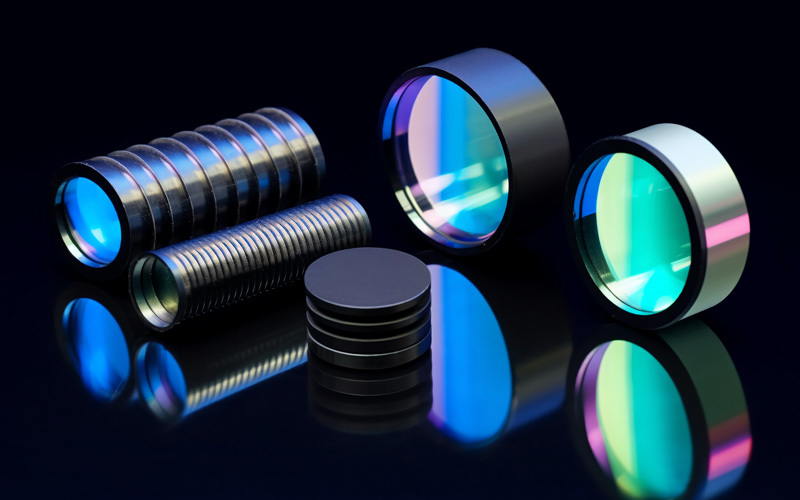
In the ever-evolving landscape of optical technology, the demand for precision and customization is paramount. **Custom optical filters** play a critical role in enhancing the functionality of specialized instruments, from scientific research to industrial applications. In this comprehensive guide, we will explore the process of crafting these filters, the materials involved, and the intricate methodologies that ensure optimal performance for their intended uses. Whether you are an engineer, researcher, or enthusiast, this article will equip you with the knowledge to navigate the complex world of optical filters.
Table of Contents
- Understanding Optical Filters
- Types of Optical Filters
- The Importance of Customization in Optical Filters
- Materials Used in Crafting Optical Filters
- Designing Custom Optical Filters
- Manufacturing Process of Optical Filters
- Applications of Custom Optical Filters
- The Future of Optical Filters in Specialized Instruments
- FAQs
Understanding Optical Filters
Optical filters are devices that selectively transmit or reflect specific wavelengths of light while blocking others. They are integral components in various optical systems, affecting the quality and clarity of the transmitted light. Understanding the fundamental principles behind optical filtering is essential for anyone involved in designing specialized instruments.
The Science Behind Optical Filtering
The science of optical filtering is based on the interaction between light and material properties. Filters operate on the principles of absorption, reflection, and transmission. By manipulating these interactions, we can control the light that reaches the sensor or detector within an instrument.
Main Functions of Optical Filters
Optical filters serve several key functions:
- Color Correction: They adjust the color balance in imaging systems.
- Blocking Unwanted Wavelengths: Filters can eliminate harmful wavelengths that may interfere with measurements.
- Enhancing Contrast: By filtering out specific colors, they improve image contrast and clarity.
Types of Optical Filters
Understanding the types of optical filters is crucial for selecting the right filter for specific applications. The primary categories of optical filters include:
1. Absorptive Filters
These filters absorb certain wavelengths while allowing others to pass through. They are commonly used in photography and scientific applications to reduce glare and improve image quality.
2. Reflective Filters
Reflective filters utilize thin-film interference to reflect specific wavelengths. They are widely used in optical coatings and are essential for applications requiring high precision.
3. Bandpass Filters
Bandpass filters allow a specific range of wavelengths to pass through while blocking those outside this range. They are invaluable in spectroscopy and fluorescence applications.
4. Notch Filters
Notch filters are designed to block a specific wavelength while allowing all others to pass. These are crucial in applications where interference from a particular wavelength must be eliminated.
The Importance of Customization in Optical Filters
Customization is integral to the effectiveness of optical filters in specialized applications. Each application has unique requirements regarding wavelength range, optical density, and other parameters. Customized optical filters provide several advantages:
1. Tailored Performance
Custom filters are designed to meet specific performance criteria, ensuring optimal functionality within the intended application. This level of precision can significantly enhance measurement accuracy and reliability.
2. Enhanced Compatibility
Customization ensures that the optical filter fits seamlessly within the existing optical system, preventing issues related to misalignment or suboptimal performance.
3. Cost-Efficiency
While custom optical filters may have a higher upfront cost, they can save money in the long run by reducing the need for multiple filters and minimizing errors in measurements.
Materials Used in Crafting Optical Filters
The choice of materials is critical in the design and performance of optical filters. Various materials offer distinct optical properties suitable for different applications:
1. Glass
Optical glass is a common material for filters due to its excellent clarity and resistance to environmental factors. Specialized glass types offer additional benefits like UV protection.
2. Polymeric Materials
Polymeric filters are lightweight and versatile, making them suitable for portable applications. They can be manufactured in various colors and shapes, catering to diverse needs.
3. Coatings
Advanced coatings, such as anti-reflection and reflective coatings, enhance the performance of optical filters by improving transmission rates and reducing unwanted reflections.
Designing Custom Optical Filters
The design process for custom optical filters involves several steps, each requiring careful consideration to achieve the desired optical performance.
1. Defining Requirements
The initial step in designing a custom optical filter is to define the specific requirements, including transmission wavelength range, filter type, and application context. This information guides the subsequent design phases.
2. Simulation and Modeling
Modern design utilizes software tools for optical simulation and modeling, allowing designers to visualize how the filter will perform under various conditions. This phase is crucial for optimizing the filter's characteristics.
3. Prototyping
Once the design is finalized, a prototype of the optical filter is created for testing. This step is essential for identifying any potential issues before mass production.
Manufacturing Process of Optical Filters
The manufacturing process for optical filters comprises several stages, ensuring that each filter meets the specified requirements while maintaining high quality.
1. Material Preparation
The first stage involves selecting and preparing the materials needed for the filters. This may include cutting glass or polymer substrates to specific dimensions.
2. Coating Application
For filters requiring coatings, the application process follows. This may involve vacuum deposition techniques to ensure even layers of material.
3. Quality Control
Quality control is paramount in the manufacturing process. Each batch of filters undergoes rigorous testing to ensure compliance with the defined specifications.
Applications of Custom Optical Filters
Custom optical filters find application across numerous industries, each with unique requirements:
1. Scientific Research
In laboratories, custom filters are crucial for spectroscopy, microscopy, and other analytical techniques, enabling precise measurements and observations.
2. Medical Imaging
In medical devices, filters enhance image quality and contrast, aiding in accurate diagnosis and treatment planning.
3. Industrial Inspection
Custom optical filters are used in industrial settings for quality control and inspection processes, ensuring that products meet stringent standards.
The Future of Optical Filters in Specialized Instruments
As technology advances, the future of optical filters looks promising. Innovations in materials science and manufacturing techniques are paving the way for more efficient, cost-effective, and high-performance filters. The integration of **smart technologies** and automation in optical systems may also redefine the role of optical filters in various applications.
FAQs
1. What are custom optical filters used for?
Custom optical filters are used to selectively transmit or block specific wavelengths of light in applications such as scientific research, medical imaging, and industrial inspection.
2. How are optical filters manufactured?
The manufacturing process involves material preparation, coating application, and rigorous quality control to ensure performance meets specific requirements.
3. Why is customization important in optical filters?
Customization allows for tailored performance, enhanced compatibility with existing systems, and cost-efficiency in the long run.
4. What materials are used in optical filters?
Common materials include optical glass, polymers, and specialized coatings that enhance filter performance and durability.
5. How can I design a custom optical filter?
Designing a custom optical filter involves defining requirements, utilizing simulation software for modeling, and creating prototypes for testing before final production.
Conclusion
Crafting custom optical filters for specialized instruments is a complex yet rewarding process that demands precision, expertise, and a deep understanding of optics. By leveraging the right materials, advanced design techniques, and thorough manufacturing processes, we can create filters that significantly enhance the functionality of optical systems. As technology continues to evolve, the potential for custom optical filters will expand, offering innovative solutions across various fields. Understanding these principles will empower professionals to make informed decisions, ensuring that their specialized instruments perform at the highest levels of accuracy and reliability.
keywords: Crafting Custom Optical Filters for Specialized Instruments: A Comprehensive Guide
Related information
Knowledge
-
Crafting Custom Optical Filters for Specialized Instruments: A Comprehensive Guide
Time:2026-07-07
-
Understanding Optical Prisms: Key Concepts and Applications
Time:2026-07-06
-
Long Wave Infrared Optics: High-Performance Optical Solutions for Thermal Imaging and Infrared Applications
Time:2026-07-06
-
The Role of Optical Domes in Marine and Aerospace Instruments
Time:2026-07-05
-
Understanding Aspheric Lenses: A Key Component in Optical Instruments
Time:2026-07-04
-
Designing Custom Ball Lenses for Specialized Optical Needs
Time:2026-07-03
-
Infrared Optical Lens – High-Precision IR Lens for Thermal Imaging, Night Vision, and Industrial Optical Systems
Time:2026-07-03
-
The Versatility of Zinc Sulfide Windows in Optical Applications
Time:2026-07-02
-
Key Features to Look for in High-Performance Optical Windows
Time:2026-07-01
-
Understanding the Functionality and Applications of Plano-Convex Cylindrical Lenses
Time:2026-06-30
-
The Comprehensive Guide to Understanding the Relationship Between Optical Filters and Light Wavelengths
Time:2026-06-29
-
Understanding Optical Prisms: Their Applications and Importance in Optical Instruments
Time:2026-06-28
-
Understanding the Optical Properties of Different Dome Shapes: A Comprehensive Exploration
Time:2026-06-27
-
Understanding Aspheric Lenses: Key Insights for Optical Instrumentation
Time:2026-06-26
-
Key Trends in Ball Lens Technology for 2024: Innovations and Applications
Time:2026-06-25
-
Understanding Zinc Sulfide Windows: Essential Insights for Optical Applications
Time:2026-06-24
-
Optical Windows in Medical Imaging: Applications and Benefits
Time:2026-06-23
-
Unlocking the Potential of Plano-Convex Cylindrical Lenses in Optical Applications
Time:2026-06-22
-
Common Misconceptions About Optical Filters Debunked: Unveiling the Truth Behind Optical Technologies
Time:2026-06-21
-
The Science and Applications of Optical Prisms in Modern Instruments
Time:2026-06-20
-
Optical Domes: Enhancing Light Transmission in Advanced Instruments
Time:2026-06-19
-
Understanding Aspheric Lenses: A Key Component in Optical Instruments
Time:2026-06-18
-
The Role of Ball Lenses in Fiber Optic Communication: Enhancing Signal Integrity and Efficiency
Time:2026-06-17
-
Understanding Zinc Sulfide Windows: A Key Component in Optical Applications
Time:2026-06-12
-
How to Evaluate the Quality of Optical Windows: A Comprehensive Guide
Time:2026-06-11
-
Understanding Plano-Convex Cylindrical Lenses: Applications and Benefits in Optical Instruments
Time:2026-06-10
-
The Future of Optical Filters in Emerging Technologies: Innovations and Applications
Time:2026-06-09
-
The Fascinating World of Optical Prisms: Unveiling Their Science and Applications
Time:2026-06-08
-
The Advantages of Using Optical Domes in Harsh Environments
Time:2026-06-07
-
Understanding Aspheric Lenses: Revolutionizing Optical Precision
Time:2026-06-06
-
How to Optimize Light Collection with Ball Lenses: A Comprehensive Guide
Time:2026-06-05
-
Exploring the Advantages of Zinc Sulfide Windows in Optical Applications
Time:2026-06-04
-
Optical Windows in Astronomy: Enhancing Celestial Observations for Better Understanding of the Universe
Time:2026-06-03
-
Understanding Plano Convex Cylindrical Lenses: Key Insights for Optical Instrumentation
Time:2026-06-02
-
How Optical Filters Enhance Photodetector Performance: Unveiling the Science
Time:2026-06-01
-
Understanding Optical Prisms: Essential Components in Optical Instruments
Time:2026-05-31
-
Unlocking Precision: Key Manufacturing Processes for High-Quality Optical Domes
Time:2026-05-30
-
Understanding Aspheric Lenses: Benefits and Applications in Optical Instruments
Time:2026-05-29
-
Ball Lenses: A Vital Component in Advancing Laser System Technologies
Time:2026-05-28
-
Exploring the Benefits and Applications of Zinc Sulfide Windows in Optical Instruments
Time:2026-05-27
-
Common Challenges with Optical Windows and How to Overcome Them
Time:2026-05-26
-
Understanding Plano-Convex Cylindrical Lenses: Essential Insights for Optical Professionals
Time:2026-05-25
-
Comparing Passive and Active Optical Filters: Which is Best for Your Application?
Time:2026-05-24
-
Understanding Optical Prisms: A Comprehensive Guide for Enhanced Optical Applications
Time:2026-05-23
-
What Makes Optical Domes Indispensable in Scientific Instruments?
Time:2026-05-22
-
Understanding Aspheric Lenses: A Key Component in Optical Instruments
Time:2026-05-21
-
Exploring the Critical Role of Ball Lenses in Advanced Medical Imaging Equipment
Time:2026-05-20
-
The Versatility and Applications of Zinc Sulfide Windows in Optical Instruments
Time:2026-05-19
-
The Essential Guide to Plano Convex Cylindrical Lenses in Optical Instruments
Time:2026-05-18
-
Comparing Glass and Crystal Optical Windows: Which Material Reigns Supreme?
Time:2026-05-18
-
The Essential Guide to Plano-Convex Cylindrical Lenses in Optical Instruments
Time:2026-05-17
-
Effective Usage of Optical Filters in Environmental Monitoring: Enhancing Data Accuracy and Quality
Time:2026-05-16
-
Understanding Optical Prisms: Essential Insights for Professionals in Optics
Time:2026-05-15
-
The Versatile Applications of Zinc Sulfide Windows in Optics
Time:2026-05-15
-
The Versatile Applications of Zinc Sulfide Windows in Optics
Time:2026-05-15
-
Understanding Aspheric Lenses: A Comprehensive Guide for Professionals in Optical Instruments
Time:2026-05-14
-
Understanding Optical Prisms: Essential Insights for Professionals in Optical Instruments
Time:2026-05-14
-
Custom Optical Domes: Tailoring Solutions for Specific Instrument Needs
Time:2026-05-14
-
Understanding the Benefits and Applications of Plano Convex Cylindrical Lenses
Time:2026-05-13
-
Exploring the Applications and Advantages of Zinc Sulfide Windows in Optical Instruments
Time:2026-05-13
-
Understanding Aspheric Lenses: Revolutionizing Optical Instruments
Time:2026-05-13
-
The Importance of Surface Quality in Ball Lens Manufacturing: Achieving Optical Excellence
Time:2026-05-12
-
The Essential Role of Optical Windows in Cutting-Edge Environmental Monitoring Instruments
Time:2026-05-10
-
Optical Filters: Essential Components for Precision Measurement in Instrumentation
Time:2026-05-08
-
The Future of Optical Domes: Trends and Innovations in the Optical Instruments Industry
Time:2026-05-06
-
In-Depth Guide to the Optical Properties of Ball Lenses: Enhancing Performance in Optical Applications
Time:2026-05-04
-
How Optical Windows Enhance Imaging Systems for Superior Clarity and Performance
Time:2026-05-02
-
Understanding Optical Filter Specifications for Better Results in Instrumentation
Time:2026-04-30
-
How Optical Domes Enhance Environmental Resilience in Instruments
Time:2026-04-28
-
How Ball Lenses Are Shaping the Future of Imaging Technologies
Time:2026-04-26
-
Understanding the Intricacies of the Manufacturing Process of Optical Windows
Time:2026-04-24
-
Understanding Plano-Convex Cylindrical Lenses: Applications and Benefits
Time:2026-04-23
-
Bandpass Optical Filter Innovation Drives Precision Growth in Global Photonics Industry
Time:2026-04-22
-
Exploring the Crucial Applications of Optical Filters in Biomedical Instruments
Time:2026-04-22
-
Understanding Optical Prisms: The Key to Light Manipulation
Time:2026-04-21
-
Optical Domes vs. Traditional Lenses: A Comprehensive Comparative Analysis
Time:2026-04-20
-
Understanding Aspheric Lenses: Unlocking Their Potential in Optical Instruments
Time:2026-04-19
-
Top Factors to Consider When Selecting Ball Lenses for Your Project
Time:2026-04-18
-
Exploring the Benefits and Applications of Zinc Sulfide Windows in Optical Instruments
Time:2026-04-17
-
Optical Windows: The Essential Component in Laser Technology
Time:2026-04-16
-
Understanding Plano-Convex Cylindrical Lenses: Key Insights for Optical Instrumentation
Time:2026-04-15
-
The Critical Role of Optical Filters in Precision Color Measurement Devices
Time:2026-04-14
-
Understanding Optical Prisms: Essential Insights for Professionals in Optical Instruments
Time:2026-04-13
-
Exploring Different Materials for Optical Domes in Optical Instruments
Time:2026-04-12
-
Understanding Aspheric Lenses: Enhancing Optical Performance in Instruments
Time:2026-04-11
-
The Future of Optical Technology: Breakthroughs in Ball Lens Design
Time:2026-04-10
-
Understanding Zinc Sulfide Windows: Key Features and Applications
Time:2026-04-09
-
The Importance of Optical Windows in Spectroscopy Applications: Enhancing Precision and Efficiency
Time:2026-04-08
-
Understanding Plano-Convex Cylindrical Lenses: Applications and Benefits
Time:2026-04-07
-
How Optical Filters Enhance Light Transmission in Instruments for Superior Performance
Time:2026-04-06
-
Understanding Optical Prisms: Fundamental Principles and Applications
Time:2026-04-05
-
The Impact of Optical Dome Design on Instrument Accuracy: A Comprehensive Analysis
Time:2026-04-04
-
Understanding Aspheric Lenses: Revolutionizing Optical Instrumentation
Time:2026-04-03
-
Ball Lenses vs. Traditional Lenses: Important Insights for Optical Applications
Time:2026-04-02
-
Aspheric Cylindrical Lens: Enabling Next-Generation Precision Optics and Laser Applications
Time:2026-04-02
-
The Versatility and Applications of Zinc Sulfide Windows in Optical Instruments
Time:2026-04-01
-
Choosing the Right Coatings for Your Optical Window: A Comprehensive Guide
Time:2026-03-31
-
Understanding Plano-Convex Cylindrical Lenses: A Comprehensive Guide for Optical Instrumentation
Time:2026-03-30
-
Innovative Techniques for Designing Optical Filters: Enhancing Performance and Efficiency
Time:2026-03-29
-
The Essential Guide to Optical Prisms: Understanding Their Role in Optical Instruments
Time:2026-03-28
-
How to Choose the Right Optical Dome for Your Optical Setup
Time:2026-03-27
-
Understanding Aspheric Lenses: Revolutionizing Optical Instrumentation
Time:2026-03-26
-
Common Myths About Ball Lenses Debunked: Understanding Their True Functionality
Time:2026-03-25
-
Understanding Zinc Sulfide Windows: A Comprehensive Guide for Optical Professionals
Time:2026-03-24
-
The Future of Optical Windows: Trends and Predictions in Advanced Optical Technologies
Time:2026-03-23
-
Understanding Plano-Convex Cylindrical Lenses: Applications and Benefits in Optical Instruments
Time:2026-03-22
-
Maximizing Performance: The Importance of Quality Optical Filters
Time:2026-03-21
-
Understanding Optical Prisms: Applications and Insights for Precision Instruments
Time:2026-03-20
-
A Comprehensive Guide to Optical Domes: Applications and Insights for Instruments
Time:2026-03-19
-
Understanding Aspheric Lenses: A Key Component in Optical Instruments
Time:2026-03-18
-
The Impact of Ball Lens Design on Optical Performance: An In-Depth Analysis
Time:2026-03-17
-
The Essential Guide to Zinc Sulfide Windows in Optical Instruments
Time:2026-03-16
-
How to Maintain and Care for Your Optical Windows: Expert Tips for Longevity and Clarity
Time:2026-03-15
-
Understanding Plano-Convex Cylindrical Lenses: Applications and Characteristics
Time:2026-03-14
-
The Evolution of Optical Filters in Scientific Instruments: A Comprehensive Overview
Time:2026-03-13
-
Understanding Optical Prisms: Applications and Principles in Optical Instruments
Time:2026-03-12
-
Innovations in Optical Dome Technology for Enhanced Instrumentation
Time:2026-03-11
-
Understanding Aspheric Lenses: Transforming Optical Instrumentation
Time:2026-03-10
-
Choosing the Right Ball Lens for Your Optical Applications: A Comprehensive Guide
Time:2026-03-09
-
The Essential Guide to Zinc Sulfide Windows in Optical Instruments
Time:2026-03-08
-
Innovations in Optical Window Technology: What You Need to Know
Time:2026-03-07
-
Essential Insights into Plano-Convex Cylindrical Lenses for Optical Instrumentation
Time:2026-03-06
-
Top Factors to Consider When Selecting Optical Filters for Precision Instrumentation
Time:2026-03-05
-
Understanding Optical Prisms: The Science Behind Light Manipulation
Time:2026-03-04
-
Optical Domes: Essential Considerations for Achieving Peak Performance
Time:2026-03-03
-
The Essential Guide to Aspheric Lenses in Optical Instruments
Time:2026-03-02
-
A Deep Dive into the Manufacturing Process of Ball Lenses
Time:2026-03-01
-
Understanding Zinc Sulfide Windows: Properties and Applications in Optical Instruments
Time:2026-02-28
-
The Impact of Optical Windows on Light Transmission Efficiency: Understanding the Science Behind Optimal Performance
Time:2026-02-27
-
Understanding Plano Convex Cylindrical Lenses: Applications and Benefits in Optical Instruments
Time:2026-02-26
-
The Impact of Optical Filters on Spectroscopy Results: A Comprehensive Guide
Time:2026-02-25
-
Understanding Optical Prisms: Applications and Principles in Optical Instruments
Time:2026-02-24
-
Top Applications of Optical Domes in Modern Optical Instruments
Time:2026-02-23
-
Unlocking the Power of Aspheric Lenses in Optical Instruments
Time:2026-02-22
-
How Ball Lenses Enhance Optical Device Performance for Precision Applications
Time:2026-02-21
-
Understanding Zinc Sulfide Windows: Key Properties and Applications in Optical Instruments
Time:2026-02-20
-
Why Optical Windows are Crucial for Achieving High-Precision Measurements
Time:2026-02-19
-
Understanding the Functions and Applications of Plano-Convex Cylindrical Lenses
Time:2026-02-18
-
Understanding Different Types of Optical Filters Used in Instruments: A Comprehensive Guide
Time:2026-02-17
-
Understanding Optical Prisms: Their Functionality and Applications
Time:2026-02-16
-
Why Optical Domes are Essential for High-Quality Imaging
Time:2026-02-15
-
Understanding Aspheric Lenses: Key Innovations in Optical Instruments
Time:2026-02-14
-
Enhancing Light Transmission: The Essential Role of Ball Lenses in Optics
Time:2026-02-13
-
The Versatility of Zinc Sulfide Windows in Optical Applications
Time:2026-02-12
-
Exploring Different Types of Optical Windows and Their Uses: A Comprehensive Guide
Time:2026-02-11
-
Understanding the Plano-Convex Cylindrical Lens: Applications and Benefits
Time:2026-02-10
-
Choosing the Right Optical Filter for Your Measurement Needs: A Comprehensive Guide
Time:2026-02-09
-
Understanding Optical Prisms: Essential Tools for Precision Measurement
Time:2026-02-08
-
The Science Behind Optical Domes: A Comprehensive Exploration of Their Design and Functionality
Time:2026-02-07
-
Plano Convex Cylindrical Lens Drives Precision Advancement in Modern Optical Applications
Time:2026-02-06
-
Unlocking the Potential of Aspheric Lenses in Optical Instruments
Time:2026-02-06
-
The Science Behind Ball Lenses: Unlocking Their Functionality and Applications
Time:2026-02-05
-
The Essential Guide to Zinc Sulfide Windows in Optical Instruments
Time:2026-02-04
-
Top Considerations When Choosing an Optical Window for Your Project
Time:2026-02-03
-
Understanding Plano-Convex Cylindrical Lenses: Key Insights for Optical Instrumentation
Time:2026-02-02
-
The Science Behind Optical Filters: Applications and Benefits
Time:2026-02-01
-
Understanding Optical Prisms: A Key Component in Optical Instruments
Time:2026-01-31
-
Understanding the Role of Optical Domes in Advanced Measurement Tools
Time:2026-01-30
-
Understanding Aspheric Lenses: A Key Component in Optical Instruments
Time:2026-01-29
-
Innovative Applications of Ball Lenses in Modern Optics: Exploring the Future of Optical Technology
Time:2026-01-24
-
Understanding Zinc Sulfide Windows: Applications and Benefits in Optical Instruments
Time:2026-01-23
-
The Science Behind Optical Windows: Materials and Applications
Time:2026-01-22
-
Understanding Plano-Convex Cylindrical Lenses: Essential Insights for Optical Instrumentation
Time:2026-01-21
-
How Optical Filters Enhance Image Quality in Optical Instruments
Time:2026-01-20
-
Understanding Optical Prisms: Unveiling the Science Behind Light Manipulation
Time:2026-01-19
-
How Optical Domes Enhance Optical Performance in Instruments
Time:2026-01-18
-
Understanding Aspheric Lenses: Enhancing Optical Performance in Instrumentation
Time:2026-01-17
-
Why Ball Lenses are Essential for Precision in Optical Systems
Time:2026-01-16
-
Understanding Zinc Sulfide Windows: A Key Component in Optical Instruments
Time:2026-01-15
-
How Optical Windows Enhance Performance in Optical Instruments
Time:2026-01-14
-
Understanding Plano-Convex Cylindrical Lenses: Applications and Benefits
Time:2026-01-13
-
Exploring the Role of Optical Filters in Modern Instrumentation: Enhancing Precision and Performance
Time:2026-01-12
-
Understanding Optical Prisms: The Essentials for Instrumentation and Measurement
Time:2026-01-11
-
Exploring the Benefits of Optical Domes in Precision Instruments
Time:2026-01-10
-
The Advantages and Applications of Aspheric Lenses in Optical Instruments
Time:2026-01-09
-
Exploring the Versatility of Ball Lenses in Optical Instruments
Time:2026-01-08
-
Understanding Zinc Sulfide Windows: Key Features and Applications in Optical Instruments
Time:2026-01-07
-
Understanding the Essential Role of an Optical Window in Modern Instruments
Time:2026-01-06
-
The Growing Importance of Infrared Optical Lenses in Modern Technology
Time:2026-01-06
Blog
-
The application of CSOPT micro-optical components in the field of medical technology
Time:2025-10-31
-
"HR Coating: Enhancing Durability and Performance"
Time:2025-07-28
-
CSOPT -China Star Optics shines at the 2025 Changchun Optics Expo
Time:2025-06-27
-
Optical Manufacturing: From Glass to Precision Optics
Time:2025-05-06
-
A Tricky Question-What color is a mirror?
Time:2025-04-08
-
A Closer Look at Optical Domes: Design, Materials, and Applications
Time:2025-03-03
-
AI website building technology comes into its own: website development ushers in new changes
Time:2022-07-28
-
Continuously innovate and introduce more and better services to create intelligent Chinese enterprises and accomplish smart entrepreneurs!
Time:2022-01-10
-
Technological innovation is the key to core competitiveness
Time:2021-11-12
-
Informatization will be the way for SMEs to enhance their competitiveness
Time:2021-11-12
Exhibitions
-
Exploring New Horizons: CSOPT at Photonics Russia 2025
Time:2025-04-12
-
CSOPT at APE 2025 – Booth D106
Time:2025-02-25
-
CSOPT Successfully Concludes Participation at Optatec 2024 in Frankfurt
Time:2024-05-20
-
CSOPT Is Heading to Russia for Photonics 2024
Time:2024-03-15
-
CSOPT at APE 2024, Singapore
Time:2024-03-10
-
CSOPT will participate in SPIE Photonics West 2024
Time:2024-01-25
-
Highlights from the 24th China International Optoelectronic Exposition (CIOE)
Time:2023-09-09
-
China Star Optics Concludes a Successful Exhibition at LASER World of PHOTONICS 2023
Time:2023-06-20
Videos
Download
Previous Page: None
Tel / WhatsApp
Technical Support
Address
No.617 Hongwan International, west of Shenzhen Street, south of Pudong Road, Economic and Technological Development Zone

All rights reserved©2025 China Star Optics Technology Co., Ltd.