
-
-
-
-
Resources

-
Contact Us

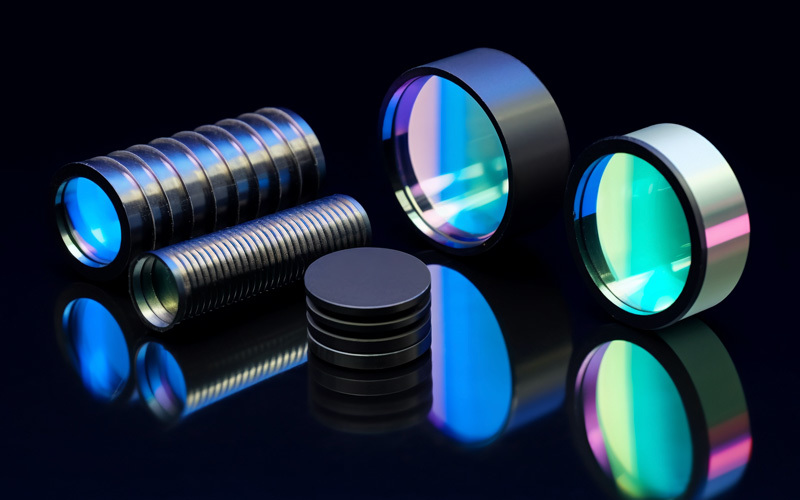


Understanding the Impact of Optical Filters on Sensor Sensitivity
Classification: Knowledge
Release time: 2026-10-11
Outline: Understanding the Impact of Optical Filters on Sensor Sensitivity Table of Contents 1. Introduction to Optical Filters and Sensors 2. What Are Optical Filters? 3. Types of Optical Filters Used in Sensors 4. How Optical Filters Affect Sensor Sensitivity 5. Applications of Optical Filters in Sensors 6. Advancements in Optical Filter Technology 7. Choosing the Right Optic
Understanding the Impact of Optical Filters on Sensor Sensitivity
Table of Contents
- 1. Introduction to Optical Filters and Sensors
- 2. What Are Optical Filters?
- 3. Types of Optical Filters Used in Sensors
- 4. How Optical Filters Affect Sensor Sensitivity
- 5. Applications of Optical Filters in Sensors
- 6. Advancements in Optical Filter Technology
- 7. Choosing the Right Optical Filter for Your Sensor
- 8. Future Trends in Optical Filters and Sensor Sensitivity
- 9. Frequently Asked Questions
- 10. Conclusion
1. Introduction to Optical Filters and Sensors
In the world of optics, **optical filters** play a crucial role in refining the performance of **sensors**. As technology evolves, the demand for more accurate and sensitive sensor systems has skyrocketed, necessitating advanced optical components. Optical filters are devices that selectively transmit certain wavelengths of light while blocking others, significantly enhancing sensor sensitivity and the quality of measurements.
2. What Are Optical Filters?
Optical filters are specialized components designed to manipulate light as it passes through them. These filters can be categorized into several types, including:
- **Bandpass Filters:** Allow specific wavelength ranges to pass while blocking others.
- **Low-Pass Filters:** Transmit low-frequency wavelengths and attenuate higher frequencies.
- **High-Pass Filters:** Do the opposite of low-pass filters, allowing only high-frequency wavelengths to pass.
By controlling the light that reaches a sensor, optical filters enable systems to function more effectively in various environments, making them indispensable in fields such as photography, spectroscopy, and telecommunications.
3. Types of Optical Filters Used in Sensors
Different applications require specific types of optical filters. Here, we explore some widely used filters in sensor technology:
3.1 Bandpass Filters
Bandpass filters are crucial for applications where only a specific range of wavelengths is needed. For instance, in fluorescence detection, a bandpass filter isolates the emitted light from the excitation light, enhancing the signal-to-noise ratio.
3.2 Neutral Density Filters
Neutral density filters reduce light intensity without altering the color balance. They are commonly used in cameras and other imaging systems to prevent sensor saturation under bright conditions.
3.3 Color Filters
Color filters are primarily used in imaging systems to allow specific colors to pass through while blocking others. This is particularly important in colorimetric applications, where accurate color representation is critical.
3.4 Polarizing Filters
Polarizing filters control the polarization of light and are commonly used in photography to reduce glare and enhance color saturation. In sensor applications, they can help improve image clarity by minimizing reflections.
4. How Optical Filters Affect Sensor Sensitivity
The impact of optical filters on sensor sensitivity is profound and multifaceted. Here are some key ways in which these filters influence sensor performance:
4.1 Enhancing Signal Quality
Optical filters enhance the quality of the signal received by a sensor by allowing only the desired wavelengths to reach it. This selective transmission reduces background noise and improves the accuracy of readings.
4.2 Reducing Interference
In environments with complex light sources, optical filters can minimize interference from unwanted wavelengths. By doing so, they ensure that the sensor is responsive only to the relevant signals, which is critical in applications like spectroscopy and photometry.
4.3 Increasing Dynamic Range
By filtering out excessive light or noise, optical filters can effectively increase a sensor's dynamic range. This allows sensors to perform reliably in varied lighting conditions, giving them the flexibility to operate in diverse environments.
5. Applications of Optical Filters in Sensors
Optical filters find applications across many sectors, playing a vital role in enhancing sensor capabilities.
5.1 Industrial Automation
In industrial automation, optical filters are utilized in sensors to monitor processes and ensure product quality. They help achieve accurate measurements in environments with fluctuating light conditions.
5.2 Medical Diagnostics
In medical diagnostics, optical filters are essential in devices such as blood analyzers and imaging systems. They allow for precise measurements of specific wavelengths associated with various conditions.
5.4 Environmental Monitoring
Environmental sensors equipped with optical filters are employed to monitor air and water quality. By isolating specific wavelengths associated with contaminants, these sensors provide accurate readings essential for public health.
6. Advancements in Optical Filter Technology
The field of optical filter technology is continuously evolving, leading to significant advancements that enhance sensor sensitivity even further.
6.1 Coating Technologies
Modern optical filters benefit from advanced coating technologies that improve their performance. Multi-layer coatings can enhance transmission efficiency while minimizing reflection, resulting in better sensor performance.
6.2 Miniaturization
As sensor technology advances, optical filters are becoming increasingly compact. This miniaturization allows for integration into smaller devices without compromising performance, paving the way for innovation in wearable technology and IoT devices.
6.3 Smart Filters
The development of smart optical filters, which can adjust their properties in real-time based on environmental conditions, is a game-changer. These filters ensure that sensors maintain optimal sensitivity under varying light conditions.
7. Choosing the Right Optical Filter for Your Sensor
Selecting the appropriate optical filter is critical for maximizing sensor sensitivity. Here are some factors to consider:
7.1 Application Requirements
Understand the specific requirements of your application. Are you measuring fluorescence, detecting pollutants, or capturing images? The choice of filter should align with your objectives.
7.2 Wavelength Considerations
Evaluate the wavelengths you need to transmit and those you need to block. This will guide you in selecting the right type of filter, such as bandpass or color filters.
7.3 Environmental Conditions
Consider the environmental conditions where the sensor will operate. Will it be exposed to extreme temperatures, humidity, or varying light levels? This information will help in choosing durable filters that can withstand harsh conditions.
8. Future Trends in Optical Filters and Sensor Sensitivity
As technology continues to advance, we can expect significant trends in the development of optical filters and their role in sensor sensitivity.
8.1 Integration with AI
The integration of artificial intelligence into optical systems promises to enhance the functionality of sensors. AI can optimize filter settings on the fly, adjusting to changing conditions and enhancing sensitivity.
8.2 Advanced Materials
Research into new materials for optical filters is ongoing. Innovations such as nano-coatings and polymers can lead to more efficient filters, improving sensor performance across various applications.
8.3 Environmental Sustainability
There is an increasing focus on sustainability within the optical filter industry. Developing eco-friendly materials and processes will become critical as industries strive to minimize their ecological footprint.
9. Frequently Asked Questions
9.1 What is the role of optical filters in sensors?
Optical filters enhance sensor performance by selectively transmitting desired wavelengths of light, reducing noise and interference, and improving overall signal quality.
9.2 How do I choose the right optical filter for my application?
Consider the specific needs of your application, including the wavelengths you need to transmit, environmental conditions, and the sensor's goals.
9.3 Are there advancements in optical filter technology?
Yes, advancements include improved coating technologies, miniaturization for compact devices, and the development of smart filters that adjust in real-time.
9.4 What types of filters are commonly used in sensors?
Common types of optical filters include bandpass filters, neutral density filters, color filters, and polarizing filters.
9.5 How do optical filters affect sensor sensitivity?
Optical filters enhance sensor sensitivity by improving signal quality, reducing interference, and increasing the dynamic range, allowing for more accurate measurements.
10. Conclusion
Optical filters play an indispensable role in enhancing sensor sensitivity across various applications. By selectively transmitting specific wavelengths of light, these filters not only improve the quality of measurements but also expand the range of operational conditions for sensors. As technology continues to evolve, advancements in optical filter design and materials will further enhance their performance, making them even more critical in fields ranging from industrial automation to medical diagnostics. Understanding and selecting the right optical filter is essential for anyone looking to optimize sensor capabilities, ensuring accuracy and reliability in all applications.
keywords: Understanding the Impact of Optical Filters on Sensor Sensitivity
Related information
Knowledge
-
The Versatile Applications of Plano-Convex Cylindrical Lenses in Optical Instruments
Time:2026-10-12
-
Understanding the Impact of Optical Filters on Sensor Sensitivity
Time:2026-10-11
-
Understanding Optical Prisms: Essential Insights for Professionals in Optical Instruments
Time:2026-10-10
-
The Profound Advantages of Anti-Reflective Coatings on Optical Domes: A Comprehensive Guide
Time:2026-10-09
-
Zinc Sulfide Window: Reliable Infrared Optics for Precision Applications
Time:2026-10-09
-
Understanding Aspheric Lenses: Enhancing Optical Performance in Instruments
Time:2026-10-08
-
The Role of Ball Lenses in 3D Imaging Systems: Enhancing Optical Performance
Time:2026-10-07
-
Unlocking the Potential of Zinc Sulfide Windows in Optical Instruments
Time:2026-10-06
-
The Role of Optical Windows in Industrial Automation Systems: Enhancing Efficiency and Precision
Time:2026-10-05
-
Understanding Plano-Convex Cylindrical Lenses: Applications and Advantages in Optical Instruments
Time:2026-10-04
-
Choosing Optical Filters for UV and IR Applications: A Comprehensive Guide
Time:2026-10-03
-
The Fascinating World of Optical Prisms: Understanding Their Role in Optical Instruments
Time:2026-10-02
-
How Optical Domes are Revolutionizing Imaging Technology
Time:2026-10-01
-
The Advantages and Applications of Aspheric Lenses in Optical Instruments
Time:2026-09-30
-
Exploring Different Materials Used in Ball Lens Manufacturing: A Comprehensive Guide
Time:2026-09-29
-
The Essential Guide to Zinc Sulfide Windows in Optical Instruments
Time:2026-09-28
-
How Optical Windows Influence Projector Performance: Unveiling the Science Behind Clarity and Efficiency
Time:2026-09-27
-
Understanding Plano-Convex Cylindrical Lenses: Applications and Benefits
Time:2026-09-26
-
Optical Filters in Astronomy: Enhancing Celestial Observations for Astrophysics Enthusiasts
Time:2026-09-25
-
The Fascinating World of Optical Prisms: Understanding Their Role in Optical Instruments
Time:2026-09-24
-
Optical Domes: Key Factors Influencing Performance and Durability
Time:2026-09-23
-
Understanding Aspheric Lenses: A Key Component in Optical Instrumentation
Time:2026-09-22
-
How Ball Lenses Contribute to High-Precision Measurement Tools
Time:2026-09-21
-
The Essential Role of Zinc Sulfide Windows in Optical Instruments
Time:2026-09-20
-
Exploring the Use of Optical Windows in Virtual Reality Devices: Enhancing Immersive Experiences
Time:2026-09-19
-
Understanding Plano Convex Cylindrical Lenses: Essential Insights for Optical Applications
Time:2026-09-18
-
The Advantages of Multi-band Optical Filters: Enhancing Precision in Optical Instruments
Time:2026-09-17
-
Understanding Optical Prisms: A Guide to Their Functions and Applications
Time:2026-09-16
-
The Versatility of Optical Domes: A Comprehensive Exploration Across Various Industries
Time:2026-09-15
-
Understanding Aspheric Lenses: Enhancements in Optical Performance
Time:2026-09-14
-
Understanding the Geometry of Ball Lenses and Its Effects: A Comprehensive Guide
Time:2026-09-13
-
Understanding Zinc Sulfide Windows: A Key Component in Optical Instruments
Time:2026-09-12
-
The Importance of Optical Windows in Photovoltaic Systems: Enhancing Efficiency and Longevity
Time:2026-09-11
-
Understanding Plano-Convex Cylindrical Lenses: Applications and Benefits
Time:2026-09-10
-
How Optical Filters Contribute to Color Correction in Instruments
Time:2026-09-09
-
Understanding Optical Prisms: Essential Insights for Professionals in Optical Instruments
Time:2026-09-08
-
Comprehensive Insights into the Manufacturing Costs of Optical Domes
Time:2026-09-07
-
Optical Lens for Precision Imaging and Advanced Optical Applications
Time:2026-09-07
-
Understanding the Benefits and Applications of Aspheric Lenses in Optical Instruments
Time:2026-09-06
-
The Benefits of Ball Lenses in Industrial Optical Applications
Time:2026-09-05
-
Unlocking the Potential of Zinc Sulfide Windows in Optical Instruments
Time:2026-09-04
-
How to Optimize Your Optical Window Setup for Better Results
Time:2026-09-03
-
Understanding Plano-Convex Cylindrical Lenses: Applications and Advantages
Time:2026-09-02
-
Optical Filters: A Comprehensive Guide to Their Functionality and Applications
Time:2026-09-01
-
Advanced Infrared Optical Solution: High-Performance Zinc Selenide Window for Precision Applications
Time:2026-09-01
-
Understanding Optical Prisms: Principles and Applications
Time:2026-08-31
-
Integrating Optical Domes in Robotics and Automation Systems: Enhancing Precision and Performance
Time:2026-08-30
-
Understanding Aspheric Lenses: Revolutionizing Optical Instruments
Time:2026-08-29
-
Unlocking the Universe: The Role of Ball Lenses in Enhancing Telescopic Views
Time:2026-08-28
-
Understanding Zinc Sulfide Windows: A Comprehensive Guide for Optical Applications
Time:2026-08-27
-
Comprehensive Applications of Optical Windows in the Defense Industry
Time:2026-08-26
-
Understanding Plano-Convex Cylindrical Lenses: A Guide to Their Applications and Benefits
Time:2026-08-25
-
Enhancing Contrast in Imaging: The Role of Optical Filters
Time:2026-08-24
-
Understanding Optical Prisms: Essential Insights for Professionals in Optical Instruments
Time:2026-08-23
-
The Critical Link Between Optical Domes and Instrument Calibration: A Comprehensive Guide
Time:2026-08-22
-
Understanding Aspheric Lenses: The Future of Optical Precision
Time:2026-08-21
-
What You Should Know About Coatings for Ball Lenses: Enhancing Optical Performance
Time:2026-08-20
-
Understanding Zinc Sulfide Windows: Essential Insights for Optical Applications
Time:2026-08-19
-
Optical Windows: Bridging Technology and Innovation in Instruments
Time:2026-08-18
-
Understanding Plano Convex Cylindrical Lenses: Applications and Benefits in Optical Instruments
Time:2026-08-17
-
Understanding the Basics of Optical Filter Design: A Comprehensive Guide
Time:2026-08-16
-
Unlocking the Secrets of Optical Prisms: A Comprehensive Guide
Time:2026-08-15
-
Common Issues Faced with Optical Domes and Effective Solutions
Time:2026-08-14
-
Understanding Aspheric Lenses: Revolutionizing Optical Instruments
Time:2026-08-13
-
The Evolution of Ball Lens Technology: A Journey Through Time
Time:2026-08-12
-
Exploring the Benefits and Applications of Zinc Sulfide Windows in Optical Instruments
Time:2026-08-11
-
Understanding the Light Transmission Characteristics of Optical Windows: A Comprehensive Guide
Time:2026-08-10
-
Understanding Plano-Convex Cylindrical Lenses: Key Insights for Optical Instrumentation
Time:2026-08-09
-
The Critical Role of Optical Filters in Advancing Photonic Applications
Time:2026-08-08
-
Understanding Optical Prisms: A Comprehensive Guide for Professionals
Time:2026-08-07
-
Optical Domes: Revolutionizing Visualization for Precision and Clarity
Time:2026-08-06
-
High Precision Plane Diffraction Grating for Advanced Optical and Spectroscopy Applications
Time:2026-08-06
-
Understanding Aspheric Lenses: A Key Component in Optical Instruments
Time:2026-08-05
-
How Ball Lenses Are Revolutionizing Augmented Reality Devices
Time:2026-08-04
-
Understanding Zinc Sulfide Windows: Applications and Benefits in Optical Instruments
Time:2026-08-03
-
The Benefits of Custom Optical Windows for Specialized Applications
Time:2026-08-02
-
Understanding the Functionality and Applications of Plano Convex Cylindrical Lenses
Time:2026-08-01
-
Essential Optical Filtering Techniques for Accurate Measurements
Time:2026-07-31
-
Understanding Optical Prisms: Their Importance and Applications in Optical Instruments
Time:2026-07-30
-
The Importance of Coating Techniques for Optical Domes
Time:2026-07-29
-
Understanding Aspheric Lenses: Innovative Solutions for Optical Applications
Time:2026-07-28
-
Comparative Analysis: Ball Lenses vs. Aspheric Lenses - Understanding Key Differences and Applications
Time:2026-07-27
-
The Essential Guide to Zinc Sulfide Windows in Optical Applications
Time:2026-07-26
-
Optical Windows: Essential Components for Advancing Telecommunications Equipment
Time:2026-07-25
-
Understanding Plano-Convex Cylindrical Lenses: Applications and Advantages
Time:2026-07-24
-
Understanding Optical Filters and Their Essential Role in Reducing Optical Noise
Time:2026-07-23
-
Understanding Optical Prisms: Essential Knowledge for Professionals in Optical Instruments
Time:2026-07-22
-
Case Studies: Successful Implementation of Optical Domes in Instruments
Time:2026-07-21
-
The Essential Guide to Aspheric Lenses: Enhancing Optical Performance
Time:2026-07-20
-
The Environmental Impact of Ball Lens Production: A Comprehensive Analysis
Time:2026-07-19
-
The Advantages and Applications of Zinc Sulfide Windows in Optical Instruments
Time:2026-07-18
-
How Environmental Factors Affect Optical Window Selection: A Comprehensive Guide
Time:2026-07-17
-
Understanding Plano-Convex Cylindrical Lenses: Applications and Advantages in Optical Instruments
Time:2026-07-16
-
Essential Guide on Maintaining and Caring for Your Optical Filters
Time:2026-07-15
-
Understanding Optical Prisms: Key Insights and Applications
Time:2026-07-14
-
How Optical Domes Drive Innovation in Advanced Technologies
Time:2026-07-13
-
Understanding Aspheric Lenses: Enhancements in Optical Performance
Time:2026-07-12
-
Understanding the Cost Benefits of Using Ball Lenses in Optics: A Comprehensive Guide
Time:2026-07-11
-
Exploring the Benefits and Applications of Zinc Sulfide Windows in Optical Instruments
Time:2026-07-10
-
The Critical Link Between Optical Window Thickness and Performance: Unveiling the Science
Time:2026-07-09
-
Understanding Plano Convex Cylindrical Lenses: Applications and Benefits
Time:2026-07-08
-
Crafting Custom Optical Filters for Specialized Instruments: A Comprehensive Guide
Time:2026-07-07
-
Understanding Optical Prisms: Key Concepts and Applications
Time:2026-07-06
-
Long Wave Infrared Optics: High-Performance Optical Solutions for Thermal Imaging and Infrared Applications
Time:2026-07-06
-
The Role of Optical Domes in Marine and Aerospace Instruments
Time:2026-07-05
-
Understanding Aspheric Lenses: A Key Component in Optical Instruments
Time:2026-07-04
-
Designing Custom Ball Lenses for Specialized Optical Needs
Time:2026-07-03
-
Infrared Optical Lens – High-Precision IR Lens for Thermal Imaging, Night Vision, and Industrial Optical Systems
Time:2026-07-03
-
The Versatility of Zinc Sulfide Windows in Optical Applications
Time:2026-07-02
-
Key Features to Look for in High-Performance Optical Windows
Time:2026-07-01
-
Understanding the Functionality and Applications of Plano-Convex Cylindrical Lenses
Time:2026-06-30
-
The Comprehensive Guide to Understanding the Relationship Between Optical Filters and Light Wavelengths
Time:2026-06-29
-
Understanding Optical Prisms: Their Applications and Importance in Optical Instruments
Time:2026-06-28
-
Understanding the Optical Properties of Different Dome Shapes: A Comprehensive Exploration
Time:2026-06-27
-
Understanding Aspheric Lenses: Key Insights for Optical Instrumentation
Time:2026-06-26
-
Key Trends in Ball Lens Technology for 2024: Innovations and Applications
Time:2026-06-25
-
Understanding Zinc Sulfide Windows: Essential Insights for Optical Applications
Time:2026-06-24
-
Optical Windows in Medical Imaging: Applications and Benefits
Time:2026-06-23
-
Unlocking the Potential of Plano-Convex Cylindrical Lenses in Optical Applications
Time:2026-06-22
-
Common Misconceptions About Optical Filters Debunked: Unveiling the Truth Behind Optical Technologies
Time:2026-06-21
-
The Science and Applications of Optical Prisms in Modern Instruments
Time:2026-06-20
-
Optical Domes: Enhancing Light Transmission in Advanced Instruments
Time:2026-06-19
-
Understanding Aspheric Lenses: A Key Component in Optical Instruments
Time:2026-06-18
-
The Role of Ball Lenses in Fiber Optic Communication: Enhancing Signal Integrity and Efficiency
Time:2026-06-17
-
Understanding Zinc Sulfide Windows: A Key Component in Optical Applications
Time:2026-06-12
-
How to Evaluate the Quality of Optical Windows: A Comprehensive Guide
Time:2026-06-11
-
Understanding Plano-Convex Cylindrical Lenses: Applications and Benefits in Optical Instruments
Time:2026-06-10
-
The Future of Optical Filters in Emerging Technologies: Innovations and Applications
Time:2026-06-09
-
The Fascinating World of Optical Prisms: Unveiling Their Science and Applications
Time:2026-06-08
-
The Advantages of Using Optical Domes in Harsh Environments
Time:2026-06-07
-
Understanding Aspheric Lenses: Revolutionizing Optical Precision
Time:2026-06-06
-
How to Optimize Light Collection with Ball Lenses: A Comprehensive Guide
Time:2026-06-05
-
Exploring the Advantages of Zinc Sulfide Windows in Optical Applications
Time:2026-06-04
-
Optical Windows in Astronomy: Enhancing Celestial Observations for Better Understanding of the Universe
Time:2026-06-03
-
Understanding Plano Convex Cylindrical Lenses: Key Insights for Optical Instrumentation
Time:2026-06-02
-
How Optical Filters Enhance Photodetector Performance: Unveiling the Science
Time:2026-06-01
-
Understanding Optical Prisms: Essential Components in Optical Instruments
Time:2026-05-31
-
Unlocking Precision: Key Manufacturing Processes for High-Quality Optical Domes
Time:2026-05-30
-
Understanding Aspheric Lenses: Benefits and Applications in Optical Instruments
Time:2026-05-29
-
Ball Lenses: A Vital Component in Advancing Laser System Technologies
Time:2026-05-28
-
Exploring the Benefits and Applications of Zinc Sulfide Windows in Optical Instruments
Time:2026-05-27
-
Common Challenges with Optical Windows and How to Overcome Them
Time:2026-05-26
-
Understanding Plano-Convex Cylindrical Lenses: Essential Insights for Optical Professionals
Time:2026-05-25
-
Comparing Passive and Active Optical Filters: Which is Best for Your Application?
Time:2026-05-24
-
Understanding Optical Prisms: A Comprehensive Guide for Enhanced Optical Applications
Time:2026-05-23
-
What Makes Optical Domes Indispensable in Scientific Instruments?
Time:2026-05-22
-
Understanding Aspheric Lenses: A Key Component in Optical Instruments
Time:2026-05-21
-
Exploring the Critical Role of Ball Lenses in Advanced Medical Imaging Equipment
Time:2026-05-20
-
The Versatility and Applications of Zinc Sulfide Windows in Optical Instruments
Time:2026-05-19
-
The Essential Guide to Plano Convex Cylindrical Lenses in Optical Instruments
Time:2026-05-18
-
Comparing Glass and Crystal Optical Windows: Which Material Reigns Supreme?
Time:2026-05-18
-
The Essential Guide to Plano-Convex Cylindrical Lenses in Optical Instruments
Time:2026-05-17
-
Effective Usage of Optical Filters in Environmental Monitoring: Enhancing Data Accuracy and Quality
Time:2026-05-16
-
Understanding Optical Prisms: Essential Insights for Professionals in Optics
Time:2026-05-15
-
The Versatile Applications of Zinc Sulfide Windows in Optics
Time:2026-05-15
-
The Versatile Applications of Zinc Sulfide Windows in Optics
Time:2026-05-15
-
Understanding Aspheric Lenses: A Comprehensive Guide for Professionals in Optical Instruments
Time:2026-05-14
-
Understanding Optical Prisms: Essential Insights for Professionals in Optical Instruments
Time:2026-05-14
-
Custom Optical Domes: Tailoring Solutions for Specific Instrument Needs
Time:2026-05-14
-
Understanding the Benefits and Applications of Plano Convex Cylindrical Lenses
Time:2026-05-13
-
Exploring the Applications and Advantages of Zinc Sulfide Windows in Optical Instruments
Time:2026-05-13
-
Understanding Aspheric Lenses: Revolutionizing Optical Instruments
Time:2026-05-13
-
The Importance of Surface Quality in Ball Lens Manufacturing: Achieving Optical Excellence
Time:2026-05-12
-
The Essential Role of Optical Windows in Cutting-Edge Environmental Monitoring Instruments
Time:2026-05-10
-
Optical Filters: Essential Components for Precision Measurement in Instrumentation
Time:2026-05-08
-
The Future of Optical Domes: Trends and Innovations in the Optical Instruments Industry
Time:2026-05-06
-
In-Depth Guide to the Optical Properties of Ball Lenses: Enhancing Performance in Optical Applications
Time:2026-05-04
-
How Optical Windows Enhance Imaging Systems for Superior Clarity and Performance
Time:2026-05-02
-
Understanding Optical Filter Specifications for Better Results in Instrumentation
Time:2026-04-30
-
How Optical Domes Enhance Environmental Resilience in Instruments
Time:2026-04-28
-
How Ball Lenses Are Shaping the Future of Imaging Technologies
Time:2026-04-26
-
Understanding the Intricacies of the Manufacturing Process of Optical Windows
Time:2026-04-24
-
Understanding Plano-Convex Cylindrical Lenses: Applications and Benefits
Time:2026-04-23
-
Bandpass Optical Filter Innovation Drives Precision Growth in Global Photonics Industry
Time:2026-04-22
-
Exploring the Crucial Applications of Optical Filters in Biomedical Instruments
Time:2026-04-22
-
Understanding Optical Prisms: The Key to Light Manipulation
Time:2026-04-21
-
Optical Domes vs. Traditional Lenses: A Comprehensive Comparative Analysis
Time:2026-04-20
-
Understanding Aspheric Lenses: Unlocking Their Potential in Optical Instruments
Time:2026-04-19
-
Top Factors to Consider When Selecting Ball Lenses for Your Project
Time:2026-04-18
-
Exploring the Benefits and Applications of Zinc Sulfide Windows in Optical Instruments
Time:2026-04-17
-
Optical Windows: The Essential Component in Laser Technology
Time:2026-04-16
-
Understanding Plano-Convex Cylindrical Lenses: Key Insights for Optical Instrumentation
Time:2026-04-15
-
The Critical Role of Optical Filters in Precision Color Measurement Devices
Time:2026-04-14
-
Understanding Optical Prisms: Essential Insights for Professionals in Optical Instruments
Time:2026-04-13
-
Exploring Different Materials for Optical Domes in Optical Instruments
Time:2026-04-12
-
Understanding Aspheric Lenses: Enhancing Optical Performance in Instruments
Time:2026-04-11
-
The Future of Optical Technology: Breakthroughs in Ball Lens Design
Time:2026-04-10
-
Understanding Zinc Sulfide Windows: Key Features and Applications
Time:2026-04-09
-
The Importance of Optical Windows in Spectroscopy Applications: Enhancing Precision and Efficiency
Time:2026-04-08
-
Understanding Plano-Convex Cylindrical Lenses: Applications and Benefits
Time:2026-04-07
-
How Optical Filters Enhance Light Transmission in Instruments for Superior Performance
Time:2026-04-06
-
Understanding Optical Prisms: Fundamental Principles and Applications
Time:2026-04-05
-
The Impact of Optical Dome Design on Instrument Accuracy: A Comprehensive Analysis
Time:2026-04-04
-
Understanding Aspheric Lenses: Revolutionizing Optical Instrumentation
Time:2026-04-03
-
Ball Lenses vs. Traditional Lenses: Important Insights for Optical Applications
Time:2026-04-02
-
Aspheric Cylindrical Lens: Enabling Next-Generation Precision Optics and Laser Applications
Time:2026-04-02
-
The Versatility and Applications of Zinc Sulfide Windows in Optical Instruments
Time:2026-04-01
-
Choosing the Right Coatings for Your Optical Window: A Comprehensive Guide
Time:2026-03-31
-
Understanding Plano-Convex Cylindrical Lenses: A Comprehensive Guide for Optical Instrumentation
Time:2026-03-30
-
Innovative Techniques for Designing Optical Filters: Enhancing Performance and Efficiency
Time:2026-03-29
-
The Essential Guide to Optical Prisms: Understanding Their Role in Optical Instruments
Time:2026-03-28
-
How to Choose the Right Optical Dome for Your Optical Setup
Time:2026-03-27
-
Understanding Aspheric Lenses: Revolutionizing Optical Instrumentation
Time:2026-03-26
-
Common Myths About Ball Lenses Debunked: Understanding Their True Functionality
Time:2026-03-25
-
Understanding Zinc Sulfide Windows: A Comprehensive Guide for Optical Professionals
Time:2026-03-24
-
The Future of Optical Windows: Trends and Predictions in Advanced Optical Technologies
Time:2026-03-23
-
Understanding Plano-Convex Cylindrical Lenses: Applications and Benefits in Optical Instruments
Time:2026-03-22
-
Maximizing Performance: The Importance of Quality Optical Filters
Time:2026-03-21
-
Understanding Optical Prisms: Applications and Insights for Precision Instruments
Time:2026-03-20
-
A Comprehensive Guide to Optical Domes: Applications and Insights for Instruments
Time:2026-03-19
-
Understanding Aspheric Lenses: A Key Component in Optical Instruments
Time:2026-03-18
-
The Impact of Ball Lens Design on Optical Performance: An In-Depth Analysis
Time:2026-03-17
-
The Essential Guide to Zinc Sulfide Windows in Optical Instruments
Time:2026-03-16
-
How to Maintain and Care for Your Optical Windows: Expert Tips for Longevity and Clarity
Time:2026-03-15
-
Understanding Plano-Convex Cylindrical Lenses: Applications and Characteristics
Time:2026-03-14
-
The Evolution of Optical Filters in Scientific Instruments: A Comprehensive Overview
Time:2026-03-13
-
Understanding Optical Prisms: Applications and Principles in Optical Instruments
Time:2026-03-12
-
Innovations in Optical Dome Technology for Enhanced Instrumentation
Time:2026-03-11
-
Understanding Aspheric Lenses: Transforming Optical Instrumentation
Time:2026-03-10
-
Choosing the Right Ball Lens for Your Optical Applications: A Comprehensive Guide
Time:2026-03-09
-
The Essential Guide to Zinc Sulfide Windows in Optical Instruments
Time:2026-03-08
-
Innovations in Optical Window Technology: What You Need to Know
Time:2026-03-07
-
Essential Insights into Plano-Convex Cylindrical Lenses for Optical Instrumentation
Time:2026-03-06
-
Top Factors to Consider When Selecting Optical Filters for Precision Instrumentation
Time:2026-03-05
-
Understanding Optical Prisms: The Science Behind Light Manipulation
Time:2026-03-04
-
Optical Domes: Essential Considerations for Achieving Peak Performance
Time:2026-03-03
-
The Essential Guide to Aspheric Lenses in Optical Instruments
Time:2026-03-02
-
A Deep Dive into the Manufacturing Process of Ball Lenses
Time:2026-03-01
-
Understanding Zinc Sulfide Windows: Properties and Applications in Optical Instruments
Time:2026-02-28
-
The Impact of Optical Windows on Light Transmission Efficiency: Understanding the Science Behind Optimal Performance
Time:2026-02-27
-
Understanding Plano Convex Cylindrical Lenses: Applications and Benefits in Optical Instruments
Time:2026-02-26
-
The Impact of Optical Filters on Spectroscopy Results: A Comprehensive Guide
Time:2026-02-25
-
Understanding Optical Prisms: Applications and Principles in Optical Instruments
Time:2026-02-24
-
Top Applications of Optical Domes in Modern Optical Instruments
Time:2026-02-23
-
Unlocking the Power of Aspheric Lenses in Optical Instruments
Time:2026-02-22
-
How Ball Lenses Enhance Optical Device Performance for Precision Applications
Time:2026-02-21
-
Understanding Zinc Sulfide Windows: Key Properties and Applications in Optical Instruments
Time:2026-02-20
-
Why Optical Windows are Crucial for Achieving High-Precision Measurements
Time:2026-02-19
-
Understanding the Functions and Applications of Plano-Convex Cylindrical Lenses
Time:2026-02-18
-
Understanding Different Types of Optical Filters Used in Instruments: A Comprehensive Guide
Time:2026-02-17
-
Understanding Optical Prisms: Their Functionality and Applications
Time:2026-02-16
-
Why Optical Domes are Essential for High-Quality Imaging
Time:2026-02-15
-
Understanding Aspheric Lenses: Key Innovations in Optical Instruments
Time:2026-02-14
-
Enhancing Light Transmission: The Essential Role of Ball Lenses in Optics
Time:2026-02-13
-
The Versatility of Zinc Sulfide Windows in Optical Applications
Time:2026-02-12
-
Exploring Different Types of Optical Windows and Their Uses: A Comprehensive Guide
Time:2026-02-11
-
Understanding the Plano-Convex Cylindrical Lens: Applications and Benefits
Time:2026-02-10
-
Choosing the Right Optical Filter for Your Measurement Needs: A Comprehensive Guide
Time:2026-02-09
-
Understanding Optical Prisms: Essential Tools for Precision Measurement
Time:2026-02-08
-
The Science Behind Optical Domes: A Comprehensive Exploration of Their Design and Functionality
Time:2026-02-07
-
Plano Convex Cylindrical Lens Drives Precision Advancement in Modern Optical Applications
Time:2026-02-06
-
Unlocking the Potential of Aspheric Lenses in Optical Instruments
Time:2026-02-06
-
The Science Behind Ball Lenses: Unlocking Their Functionality and Applications
Time:2026-02-05
-
The Essential Guide to Zinc Sulfide Windows in Optical Instruments
Time:2026-02-04
-
Top Considerations When Choosing an Optical Window for Your Project
Time:2026-02-03
-
Understanding Plano-Convex Cylindrical Lenses: Key Insights for Optical Instrumentation
Time:2026-02-02
-
The Science Behind Optical Filters: Applications and Benefits
Time:2026-02-01
-
Understanding Optical Prisms: A Key Component in Optical Instruments
Time:2026-01-31
-
Understanding the Role of Optical Domes in Advanced Measurement Tools
Time:2026-01-30
-
Understanding Aspheric Lenses: A Key Component in Optical Instruments
Time:2026-01-29
-
Innovative Applications of Ball Lenses in Modern Optics: Exploring the Future of Optical Technology
Time:2026-01-24
-
Understanding Zinc Sulfide Windows: Applications and Benefits in Optical Instruments
Time:2026-01-23
-
The Science Behind Optical Windows: Materials and Applications
Time:2026-01-22
-
Understanding Plano-Convex Cylindrical Lenses: Essential Insights for Optical Instrumentation
Time:2026-01-21
-
How Optical Filters Enhance Image Quality in Optical Instruments
Time:2026-01-20
-
Understanding Optical Prisms: Unveiling the Science Behind Light Manipulation
Time:2026-01-19
-
How Optical Domes Enhance Optical Performance in Instruments
Time:2026-01-18
-
Understanding Aspheric Lenses: Enhancing Optical Performance in Instrumentation
Time:2026-01-17
-
Why Ball Lenses are Essential for Precision in Optical Systems
Time:2026-01-16
-
Understanding Zinc Sulfide Windows: A Key Component in Optical Instruments
Time:2026-01-15
-
How Optical Windows Enhance Performance in Optical Instruments
Time:2026-01-14
-
Understanding Plano-Convex Cylindrical Lenses: Applications and Benefits
Time:2026-01-13
-
Exploring the Role of Optical Filters in Modern Instrumentation: Enhancing Precision and Performance
Time:2026-01-12
-
Understanding Optical Prisms: The Essentials for Instrumentation and Measurement
Time:2026-01-11
-
Exploring the Benefits of Optical Domes in Precision Instruments
Time:2026-01-10
-
The Advantages and Applications of Aspheric Lenses in Optical Instruments
Time:2026-01-09
-
Exploring the Versatility of Ball Lenses in Optical Instruments
Time:2026-01-08
-
Understanding Zinc Sulfide Windows: Key Features and Applications in Optical Instruments
Time:2026-01-07
-
Understanding the Essential Role of an Optical Window in Modern Instruments
Time:2026-01-06
-
The Growing Importance of Infrared Optical Lenses in Modern Technology
Time:2026-01-06
Blog
-
The application of CSOPT micro-optical components in the field of medical technology
Time:2025-10-31
-
"HR Coating: Enhancing Durability and Performance"
Time:2025-07-28
-
CSOPT -China Star Optics shines at the 2025 Changchun Optics Expo
Time:2025-06-27
-
Optical Manufacturing: From Glass to Precision Optics
Time:2025-05-06
-
A Tricky Question-What color is a mirror?
Time:2025-04-08
-
A Closer Look at Optical Domes: Design, Materials, and Applications
Time:2025-03-03
-
AI website building technology comes into its own: website development ushers in new changes
Time:2022-07-28
-
Continuously innovate and introduce more and better services to create intelligent Chinese enterprises and accomplish smart entrepreneurs!
Time:2022-01-10
-
Technological innovation is the key to core competitiveness
Time:2021-11-12
-
Informatization will be the way for SMEs to enhance their competitiveness
Time:2021-11-12
Exhibitions
-
Exploring New Horizons: CSOPT at Photonics Russia 2025
Time:2025-04-12
-
CSOPT at APE 2025 – Booth D106
Time:2025-02-25
-
CSOPT Successfully Concludes Participation at Optatec 2024 in Frankfurt
Time:2024-05-20
-
CSOPT Is Heading to Russia for Photonics 2024
Time:2024-03-15
-
CSOPT at APE 2024, Singapore
Time:2024-03-10
-
CSOPT will participate in SPIE Photonics West 2024
Time:2024-01-25
-
Highlights from the 24th China International Optoelectronic Exposition (CIOE)
Time:2023-09-09
-
China Star Optics Concludes a Successful Exhibition at LASER World of PHOTONICS 2023
Time:2023-06-20
Videos
Download
Tel / WhatsApp
Technical Support
Address
No.617 Hongwan International, west of Shenzhen Street, south of Pudong Road, Economic and Technological Development Zone

All rights reserved©2025 China Star Optics Technology Co., Ltd.