
-
-
-
-
Resources

-
Contact Us



Understanding Aspheric Lenses: A Key Component in Optical Instruments
Classification: Knowledge
Release time: 2026-03-18
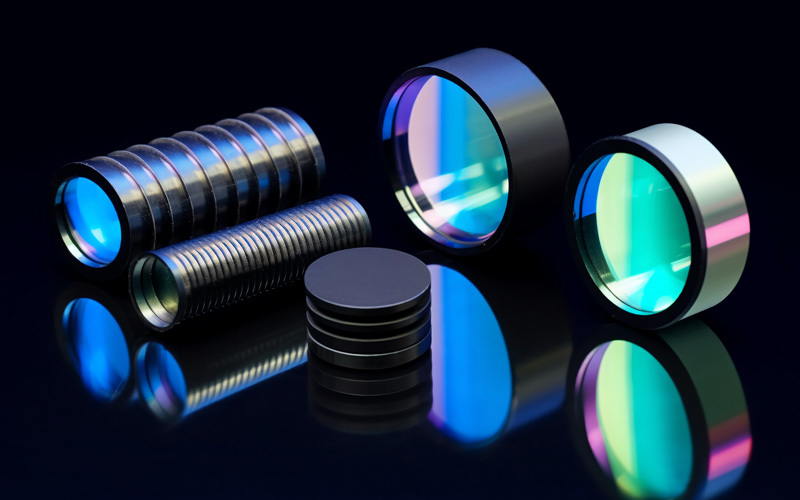
Outline: Aspheric lenses are specially designed optical components that deviate from the traditional spherical shape. Unlike conventional lenses, which are uniformly curved, aspheric lenses have a more complex surface profile that allows for a more precise control of light rays. This unique design significantly reduces optical aberrations—such as spherical aberration, coma, and distortion—even when used in
One of the primary advantages of aspheric lenses is their ability to focus light more efficiently. By shaping the lens in a way that optimally directs light rays toward a common focal point, aspheric designs can greatly enhance the clarity and sharpness of images. This is particularly beneficial in applications such as cameras, microscopes, and telescopes, where image quality is paramount. Additionally, aspheric lenses can often replace multiple spherical elements, thereby simplifying assembly and reducing overall system size and weight.
In the field of photonics and optical instrumentation, aspheric lenses are increasingly being utilized in laser systems, beam expanders, and collimators. Their ability to produce a collimated beam with minimal divergence makes them ideal for laser applications, where precision and efficiency are critical. Moreover, the integration of aspheric lenses in endoscopes and other medical imaging devices has advanced the capability to capture high-resolution images within confined spaces, aiding in accurate diagnostics and treatment.
The manufacturing process of aspheric lenses involves advanced techniques such as precision molding and polishing, which can be more complex and costly compared to traditional spherical lenses. However, the long-term benefits—such as improved optical performance and reduced component count—often justify the initial investment. Furthermore, advancements in computer-aided design (CAD) and manufacturing technologies have made it more feasible for companies to produce custom aspheric lenses tailored to specific applications.
In conclusion, aspheric lenses represent a crucial advancement in optical design, providing enhanced performance with reduced aberrations. Their application across a variety of optical instruments not only improves image quality but also allows for more compact and efficient designs. As the industry continues to evolve, the role of aspheric lenses in pushing the boundaries of optical technology will undoubtedly grow, making them an essential consideration for professionals involved in optical instrumentation.
keywords: Understanding Aspheric Lenses: A Key Component in Optical Instruments
Related information
Knowledge
-
Essential Optical Filtering Techniques for Accurate Measurements
Time:2026-07-31
-
Understanding Optical Prisms: Their Importance and Applications in Optical Instruments
Time:2026-07-30
-
The Importance of Coating Techniques for Optical Domes
Time:2026-07-29
-
Understanding Aspheric Lenses: Innovative Solutions for Optical Applications
Time:2026-07-28
-
Comparative Analysis: Ball Lenses vs. Aspheric Lenses - Understanding Key Differences and Applications
Time:2026-07-27
-
The Essential Guide to Zinc Sulfide Windows in Optical Applications
Time:2026-07-26
-
Optical Windows: Essential Components for Advancing Telecommunications Equipment
Time:2026-07-25
-
Understanding Plano-Convex Cylindrical Lenses: Applications and Advantages
Time:2026-07-24
-
Understanding Optical Filters and Their Essential Role in Reducing Optical Noise
Time:2026-07-23
-
Understanding Optical Prisms: Essential Knowledge for Professionals in Optical Instruments
Time:2026-07-22
-
Case Studies: Successful Implementation of Optical Domes in Instruments
Time:2026-07-21
-
The Essential Guide to Aspheric Lenses: Enhancing Optical Performance
Time:2026-07-20
-
The Environmental Impact of Ball Lens Production: A Comprehensive Analysis
Time:2026-07-19
-
The Advantages and Applications of Zinc Sulfide Windows in Optical Instruments
Time:2026-07-18
-
How Environmental Factors Affect Optical Window Selection: A Comprehensive Guide
Time:2026-07-17
-
Understanding Plano-Convex Cylindrical Lenses: Applications and Advantages in Optical Instruments
Time:2026-07-16
-
Essential Guide on Maintaining and Caring for Your Optical Filters
Time:2026-07-15
-
Understanding Optical Prisms: Key Insights and Applications
Time:2026-07-14
-
How Optical Domes Drive Innovation in Advanced Technologies
Time:2026-07-13
-
Understanding Aspheric Lenses: Enhancements in Optical Performance
Time:2026-07-12
-
Understanding the Cost Benefits of Using Ball Lenses in Optics: A Comprehensive Guide
Time:2026-07-11
-
Exploring the Benefits and Applications of Zinc Sulfide Windows in Optical Instruments
Time:2026-07-10
-
The Critical Link Between Optical Window Thickness and Performance: Unveiling the Science
Time:2026-07-09
-
Understanding Plano Convex Cylindrical Lenses: Applications and Benefits
Time:2026-07-08
-
Crafting Custom Optical Filters for Specialized Instruments: A Comprehensive Guide
Time:2026-07-07
-
Understanding Optical Prisms: Key Concepts and Applications
Time:2026-07-06
-
Long Wave Infrared Optics: High-Performance Optical Solutions for Thermal Imaging and Infrared Applications
Time:2026-07-06
-
The Role of Optical Domes in Marine and Aerospace Instruments
Time:2026-07-05
-
Understanding Aspheric Lenses: A Key Component in Optical Instruments
Time:2026-07-04
-
Designing Custom Ball Lenses for Specialized Optical Needs
Time:2026-07-03
-
Infrared Optical Lens – High-Precision IR Lens for Thermal Imaging, Night Vision, and Industrial Optical Systems
Time:2026-07-03
-
The Versatility of Zinc Sulfide Windows in Optical Applications
Time:2026-07-02
-
Key Features to Look for in High-Performance Optical Windows
Time:2026-07-01
-
Understanding the Functionality and Applications of Plano-Convex Cylindrical Lenses
Time:2026-06-30
-
The Comprehensive Guide to Understanding the Relationship Between Optical Filters and Light Wavelengths
Time:2026-06-29
-
Understanding Optical Prisms: Their Applications and Importance in Optical Instruments
Time:2026-06-28
-
Understanding the Optical Properties of Different Dome Shapes: A Comprehensive Exploration
Time:2026-06-27
-
Understanding Aspheric Lenses: Key Insights for Optical Instrumentation
Time:2026-06-26
-
Key Trends in Ball Lens Technology for 2024: Innovations and Applications
Time:2026-06-25
-
Understanding Zinc Sulfide Windows: Essential Insights for Optical Applications
Time:2026-06-24
-
Optical Windows in Medical Imaging: Applications and Benefits
Time:2026-06-23
-
Unlocking the Potential of Plano-Convex Cylindrical Lenses in Optical Applications
Time:2026-06-22
-
Common Misconceptions About Optical Filters Debunked: Unveiling the Truth Behind Optical Technologies
Time:2026-06-21
-
The Science and Applications of Optical Prisms in Modern Instruments
Time:2026-06-20
-
Optical Domes: Enhancing Light Transmission in Advanced Instruments
Time:2026-06-19
-
Understanding Aspheric Lenses: A Key Component in Optical Instruments
Time:2026-06-18
-
The Role of Ball Lenses in Fiber Optic Communication: Enhancing Signal Integrity and Efficiency
Time:2026-06-17
-
Understanding Zinc Sulfide Windows: A Key Component in Optical Applications
Time:2026-06-12
-
How to Evaluate the Quality of Optical Windows: A Comprehensive Guide
Time:2026-06-11
-
Understanding Plano-Convex Cylindrical Lenses: Applications and Benefits in Optical Instruments
Time:2026-06-10
-
The Future of Optical Filters in Emerging Technologies: Innovations and Applications
Time:2026-06-09
-
The Fascinating World of Optical Prisms: Unveiling Their Science and Applications
Time:2026-06-08
-
The Advantages of Using Optical Domes in Harsh Environments
Time:2026-06-07
-
Understanding Aspheric Lenses: Revolutionizing Optical Precision
Time:2026-06-06
-
How to Optimize Light Collection with Ball Lenses: A Comprehensive Guide
Time:2026-06-05
-
Exploring the Advantages of Zinc Sulfide Windows in Optical Applications
Time:2026-06-04
-
Optical Windows in Astronomy: Enhancing Celestial Observations for Better Understanding of the Universe
Time:2026-06-03
-
Understanding Plano Convex Cylindrical Lenses: Key Insights for Optical Instrumentation
Time:2026-06-02
-
How Optical Filters Enhance Photodetector Performance: Unveiling the Science
Time:2026-06-01
-
Understanding Optical Prisms: Essential Components in Optical Instruments
Time:2026-05-31
-
Unlocking Precision: Key Manufacturing Processes for High-Quality Optical Domes
Time:2026-05-30
-
Understanding Aspheric Lenses: Benefits and Applications in Optical Instruments
Time:2026-05-29
-
Ball Lenses: A Vital Component in Advancing Laser System Technologies
Time:2026-05-28
-
Exploring the Benefits and Applications of Zinc Sulfide Windows in Optical Instruments
Time:2026-05-27
-
Common Challenges with Optical Windows and How to Overcome Them
Time:2026-05-26
-
Understanding Plano-Convex Cylindrical Lenses: Essential Insights for Optical Professionals
Time:2026-05-25
-
Comparing Passive and Active Optical Filters: Which is Best for Your Application?
Time:2026-05-24
-
Understanding Optical Prisms: A Comprehensive Guide for Enhanced Optical Applications
Time:2026-05-23
-
What Makes Optical Domes Indispensable in Scientific Instruments?
Time:2026-05-22
-
Understanding Aspheric Lenses: A Key Component in Optical Instruments
Time:2026-05-21
-
Exploring the Critical Role of Ball Lenses in Advanced Medical Imaging Equipment
Time:2026-05-20
-
The Versatility and Applications of Zinc Sulfide Windows in Optical Instruments
Time:2026-05-19
-
The Essential Guide to Plano Convex Cylindrical Lenses in Optical Instruments
Time:2026-05-18
-
Comparing Glass and Crystal Optical Windows: Which Material Reigns Supreme?
Time:2026-05-18
-
The Essential Guide to Plano-Convex Cylindrical Lenses in Optical Instruments
Time:2026-05-17
-
Effective Usage of Optical Filters in Environmental Monitoring: Enhancing Data Accuracy and Quality
Time:2026-05-16
-
Understanding Optical Prisms: Essential Insights for Professionals in Optics
Time:2026-05-15
-
The Versatile Applications of Zinc Sulfide Windows in Optics
Time:2026-05-15
-
The Versatile Applications of Zinc Sulfide Windows in Optics
Time:2026-05-15
-
Understanding Aspheric Lenses: A Comprehensive Guide for Professionals in Optical Instruments
Time:2026-05-14
-
Understanding Optical Prisms: Essential Insights for Professionals in Optical Instruments
Time:2026-05-14
-
Custom Optical Domes: Tailoring Solutions for Specific Instrument Needs
Time:2026-05-14
-
Understanding the Benefits and Applications of Plano Convex Cylindrical Lenses
Time:2026-05-13
-
Exploring the Applications and Advantages of Zinc Sulfide Windows in Optical Instruments
Time:2026-05-13
-
Understanding Aspheric Lenses: Revolutionizing Optical Instruments
Time:2026-05-13
-
The Importance of Surface Quality in Ball Lens Manufacturing: Achieving Optical Excellence
Time:2026-05-12
-
The Essential Role of Optical Windows in Cutting-Edge Environmental Monitoring Instruments
Time:2026-05-10
-
Optical Filters: Essential Components for Precision Measurement in Instrumentation
Time:2026-05-08
-
The Future of Optical Domes: Trends and Innovations in the Optical Instruments Industry
Time:2026-05-06
-
In-Depth Guide to the Optical Properties of Ball Lenses: Enhancing Performance in Optical Applications
Time:2026-05-04
-
How Optical Windows Enhance Imaging Systems for Superior Clarity and Performance
Time:2026-05-02
-
Understanding Optical Filter Specifications for Better Results in Instrumentation
Time:2026-04-30
-
How Optical Domes Enhance Environmental Resilience in Instruments
Time:2026-04-28
-
How Ball Lenses Are Shaping the Future of Imaging Technologies
Time:2026-04-26
-
Understanding the Intricacies of the Manufacturing Process of Optical Windows
Time:2026-04-24
-
Understanding Plano-Convex Cylindrical Lenses: Applications and Benefits
Time:2026-04-23
-
Bandpass Optical Filter Innovation Drives Precision Growth in Global Photonics Industry
Time:2026-04-22
-
Exploring the Crucial Applications of Optical Filters in Biomedical Instruments
Time:2026-04-22
-
Understanding Optical Prisms: The Key to Light Manipulation
Time:2026-04-21
-
Optical Domes vs. Traditional Lenses: A Comprehensive Comparative Analysis
Time:2026-04-20
-
Understanding Aspheric Lenses: Unlocking Their Potential in Optical Instruments
Time:2026-04-19
-
Top Factors to Consider When Selecting Ball Lenses for Your Project
Time:2026-04-18
-
Exploring the Benefits and Applications of Zinc Sulfide Windows in Optical Instruments
Time:2026-04-17
-
Optical Windows: The Essential Component in Laser Technology
Time:2026-04-16
-
Understanding Plano-Convex Cylindrical Lenses: Key Insights for Optical Instrumentation
Time:2026-04-15
-
The Critical Role of Optical Filters in Precision Color Measurement Devices
Time:2026-04-14
-
Understanding Optical Prisms: Essential Insights for Professionals in Optical Instruments
Time:2026-04-13
-
Exploring Different Materials for Optical Domes in Optical Instruments
Time:2026-04-12
-
Understanding Aspheric Lenses: Enhancing Optical Performance in Instruments
Time:2026-04-11
-
The Future of Optical Technology: Breakthroughs in Ball Lens Design
Time:2026-04-10
-
Understanding Zinc Sulfide Windows: Key Features and Applications
Time:2026-04-09
-
The Importance of Optical Windows in Spectroscopy Applications: Enhancing Precision and Efficiency
Time:2026-04-08
-
Understanding Plano-Convex Cylindrical Lenses: Applications and Benefits
Time:2026-04-07
-
How Optical Filters Enhance Light Transmission in Instruments for Superior Performance
Time:2026-04-06
-
Understanding Optical Prisms: Fundamental Principles and Applications
Time:2026-04-05
-
The Impact of Optical Dome Design on Instrument Accuracy: A Comprehensive Analysis
Time:2026-04-04
-
Understanding Aspheric Lenses: Revolutionizing Optical Instrumentation
Time:2026-04-03
-
Ball Lenses vs. Traditional Lenses: Important Insights for Optical Applications
Time:2026-04-02
-
Aspheric Cylindrical Lens: Enabling Next-Generation Precision Optics and Laser Applications
Time:2026-04-02
-
The Versatility and Applications of Zinc Sulfide Windows in Optical Instruments
Time:2026-04-01
-
Choosing the Right Coatings for Your Optical Window: A Comprehensive Guide
Time:2026-03-31
-
Understanding Plano-Convex Cylindrical Lenses: A Comprehensive Guide for Optical Instrumentation
Time:2026-03-30
-
Innovative Techniques for Designing Optical Filters: Enhancing Performance and Efficiency
Time:2026-03-29
-
The Essential Guide to Optical Prisms: Understanding Their Role in Optical Instruments
Time:2026-03-28
-
How to Choose the Right Optical Dome for Your Optical Setup
Time:2026-03-27
-
Understanding Aspheric Lenses: Revolutionizing Optical Instrumentation
Time:2026-03-26
-
Common Myths About Ball Lenses Debunked: Understanding Their True Functionality
Time:2026-03-25
-
Understanding Zinc Sulfide Windows: A Comprehensive Guide for Optical Professionals
Time:2026-03-24
-
The Future of Optical Windows: Trends and Predictions in Advanced Optical Technologies
Time:2026-03-23
-
Understanding Plano-Convex Cylindrical Lenses: Applications and Benefits in Optical Instruments
Time:2026-03-22
-
Maximizing Performance: The Importance of Quality Optical Filters
Time:2026-03-21
-
Understanding Optical Prisms: Applications and Insights for Precision Instruments
Time:2026-03-20
-
A Comprehensive Guide to Optical Domes: Applications and Insights for Instruments
Time:2026-03-19
-
Understanding Aspheric Lenses: A Key Component in Optical Instruments
Time:2026-03-18
-
The Impact of Ball Lens Design on Optical Performance: An In-Depth Analysis
Time:2026-03-17
-
The Essential Guide to Zinc Sulfide Windows in Optical Instruments
Time:2026-03-16
-
How to Maintain and Care for Your Optical Windows: Expert Tips for Longevity and Clarity
Time:2026-03-15
-
Understanding Plano-Convex Cylindrical Lenses: Applications and Characteristics
Time:2026-03-14
-
The Evolution of Optical Filters in Scientific Instruments: A Comprehensive Overview
Time:2026-03-13
-
Understanding Optical Prisms: Applications and Principles in Optical Instruments
Time:2026-03-12
-
Innovations in Optical Dome Technology for Enhanced Instrumentation
Time:2026-03-11
-
Understanding Aspheric Lenses: Transforming Optical Instrumentation
Time:2026-03-10
-
Choosing the Right Ball Lens for Your Optical Applications: A Comprehensive Guide
Time:2026-03-09
-
The Essential Guide to Zinc Sulfide Windows in Optical Instruments
Time:2026-03-08
-
Innovations in Optical Window Technology: What You Need to Know
Time:2026-03-07
-
Essential Insights into Plano-Convex Cylindrical Lenses for Optical Instrumentation
Time:2026-03-06
-
Top Factors to Consider When Selecting Optical Filters for Precision Instrumentation
Time:2026-03-05
-
Understanding Optical Prisms: The Science Behind Light Manipulation
Time:2026-03-04
-
Optical Domes: Essential Considerations for Achieving Peak Performance
Time:2026-03-03
-
The Essential Guide to Aspheric Lenses in Optical Instruments
Time:2026-03-02
-
A Deep Dive into the Manufacturing Process of Ball Lenses
Time:2026-03-01
-
Understanding Zinc Sulfide Windows: Properties and Applications in Optical Instruments
Time:2026-02-28
-
The Impact of Optical Windows on Light Transmission Efficiency: Understanding the Science Behind Optimal Performance
Time:2026-02-27
-
Understanding Plano Convex Cylindrical Lenses: Applications and Benefits in Optical Instruments
Time:2026-02-26
-
The Impact of Optical Filters on Spectroscopy Results: A Comprehensive Guide
Time:2026-02-25
-
Understanding Optical Prisms: Applications and Principles in Optical Instruments
Time:2026-02-24
-
Top Applications of Optical Domes in Modern Optical Instruments
Time:2026-02-23
-
Unlocking the Power of Aspheric Lenses in Optical Instruments
Time:2026-02-22
-
How Ball Lenses Enhance Optical Device Performance for Precision Applications
Time:2026-02-21
-
Understanding Zinc Sulfide Windows: Key Properties and Applications in Optical Instruments
Time:2026-02-20
-
Why Optical Windows are Crucial for Achieving High-Precision Measurements
Time:2026-02-19
-
Understanding the Functions and Applications of Plano-Convex Cylindrical Lenses
Time:2026-02-18
-
Understanding Different Types of Optical Filters Used in Instruments: A Comprehensive Guide
Time:2026-02-17
-
Understanding Optical Prisms: Their Functionality and Applications
Time:2026-02-16
-
Why Optical Domes are Essential for High-Quality Imaging
Time:2026-02-15
-
Understanding Aspheric Lenses: Key Innovations in Optical Instruments
Time:2026-02-14
-
Enhancing Light Transmission: The Essential Role of Ball Lenses in Optics
Time:2026-02-13
-
The Versatility of Zinc Sulfide Windows in Optical Applications
Time:2026-02-12
-
Exploring Different Types of Optical Windows and Their Uses: A Comprehensive Guide
Time:2026-02-11
-
Understanding the Plano-Convex Cylindrical Lens: Applications and Benefits
Time:2026-02-10
-
Choosing the Right Optical Filter for Your Measurement Needs: A Comprehensive Guide
Time:2026-02-09
-
Understanding Optical Prisms: Essential Tools for Precision Measurement
Time:2026-02-08
-
The Science Behind Optical Domes: A Comprehensive Exploration of Their Design and Functionality
Time:2026-02-07
-
Plano Convex Cylindrical Lens Drives Precision Advancement in Modern Optical Applications
Time:2026-02-06
-
Unlocking the Potential of Aspheric Lenses in Optical Instruments
Time:2026-02-06
-
The Science Behind Ball Lenses: Unlocking Their Functionality and Applications
Time:2026-02-05
-
The Essential Guide to Zinc Sulfide Windows in Optical Instruments
Time:2026-02-04
-
Top Considerations When Choosing an Optical Window for Your Project
Time:2026-02-03
-
Understanding Plano-Convex Cylindrical Lenses: Key Insights for Optical Instrumentation
Time:2026-02-02
-
The Science Behind Optical Filters: Applications and Benefits
Time:2026-02-01
-
Understanding Optical Prisms: A Key Component in Optical Instruments
Time:2026-01-31
-
Understanding the Role of Optical Domes in Advanced Measurement Tools
Time:2026-01-30
-
Understanding Aspheric Lenses: A Key Component in Optical Instruments
Time:2026-01-29
-
Innovative Applications of Ball Lenses in Modern Optics: Exploring the Future of Optical Technology
Time:2026-01-24
-
Understanding Zinc Sulfide Windows: Applications and Benefits in Optical Instruments
Time:2026-01-23
-
The Science Behind Optical Windows: Materials and Applications
Time:2026-01-22
-
Understanding Plano-Convex Cylindrical Lenses: Essential Insights for Optical Instrumentation
Time:2026-01-21
-
How Optical Filters Enhance Image Quality in Optical Instruments
Time:2026-01-20
-
Understanding Optical Prisms: Unveiling the Science Behind Light Manipulation
Time:2026-01-19
-
How Optical Domes Enhance Optical Performance in Instruments
Time:2026-01-18
-
Understanding Aspheric Lenses: Enhancing Optical Performance in Instrumentation
Time:2026-01-17
-
Why Ball Lenses are Essential for Precision in Optical Systems
Time:2026-01-16
-
Understanding Zinc Sulfide Windows: A Key Component in Optical Instruments
Time:2026-01-15
-
How Optical Windows Enhance Performance in Optical Instruments
Time:2026-01-14
-
Understanding Plano-Convex Cylindrical Lenses: Applications and Benefits
Time:2026-01-13
-
Exploring the Role of Optical Filters in Modern Instrumentation: Enhancing Precision and Performance
Time:2026-01-12
-
Understanding Optical Prisms: The Essentials for Instrumentation and Measurement
Time:2026-01-11
-
Exploring the Benefits of Optical Domes in Precision Instruments
Time:2026-01-10
-
The Advantages and Applications of Aspheric Lenses in Optical Instruments
Time:2026-01-09
-
Exploring the Versatility of Ball Lenses in Optical Instruments
Time:2026-01-08
-
Understanding Zinc Sulfide Windows: Key Features and Applications in Optical Instruments
Time:2026-01-07
-
Understanding the Essential Role of an Optical Window in Modern Instruments
Time:2026-01-06
-
The Growing Importance of Infrared Optical Lenses in Modern Technology
Time:2026-01-06
Blog
-
The application of CSOPT micro-optical components in the field of medical technology
Time:2025-10-31
-
"HR Coating: Enhancing Durability and Performance"
Time:2025-07-28
-
CSOPT -China Star Optics shines at the 2025 Changchun Optics Expo
Time:2025-06-27
-
Optical Manufacturing: From Glass to Precision Optics
Time:2025-05-06
-
A Tricky Question-What color is a mirror?
Time:2025-04-08
-
A Closer Look at Optical Domes: Design, Materials, and Applications
Time:2025-03-03
-
AI website building technology comes into its own: website development ushers in new changes
Time:2022-07-28
-
Continuously innovate and introduce more and better services to create intelligent Chinese enterprises and accomplish smart entrepreneurs!
Time:2022-01-10
-
Technological innovation is the key to core competitiveness
Time:2021-11-12
-
Informatization will be the way for SMEs to enhance their competitiveness
Time:2021-11-12
Exhibitions
-
Exploring New Horizons: CSOPT at Photonics Russia 2025
Time:2025-04-12
-
CSOPT at APE 2025 – Booth D106
Time:2025-02-25
-
CSOPT Successfully Concludes Participation at Optatec 2024 in Frankfurt
Time:2024-05-20
-
CSOPT Is Heading to Russia for Photonics 2024
Time:2024-03-15
-
CSOPT at APE 2024, Singapore
Time:2024-03-10
-
CSOPT will participate in SPIE Photonics West 2024
Time:2024-01-25
-
Highlights from the 24th China International Optoelectronic Exposition (CIOE)
Time:2023-09-09
-
China Star Optics Concludes a Successful Exhibition at LASER World of PHOTONICS 2023
Time:2023-06-20
Videos
Download
Tel / WhatsApp
Technical Support
Address
No.617 Hongwan International, west of Shenzhen Street, south of Pudong Road, Economic and Technological Development Zone

All rights reserved©2025 China Star Optics Technology Co., Ltd.