
-
-
-
-
Resources

-
Contact Us



Understanding Different Types of Optical Filters Used in Instruments: A Comprehensive Guide
Classification: Knowledge
Release time: 2026-02-17
Outline: Understanding Different Types of Optical Filters Used in Instruments Table of Contents 1. Introduction to Optical Filters 2. Importance of Optical Filters in Instruments 3. Types of Optical Filters 3.1 Bandpass Filters 3.2 Lowpass Filters 3.3 Highpass Filters 3.4 Notch Filters 3.5 Polarizers 4. Appl
Understanding Different Types of Optical Filters Used in Instruments
Table of Contents
- 1. Introduction to Optical Filters
- 2. Importance of Optical Filters in Instruments
- 3. Types of Optical Filters
- 4. Applications of Optical Filters in Various Instruments
- 5. How to Choose the Right Optical Filter
- 6. Maintenance and Care of Optical Filters
- 7. Future Trends in Optical Filtering Technology
- 8. Frequently Asked Questions
- 9. Conclusion
1. Introduction to Optical Filters
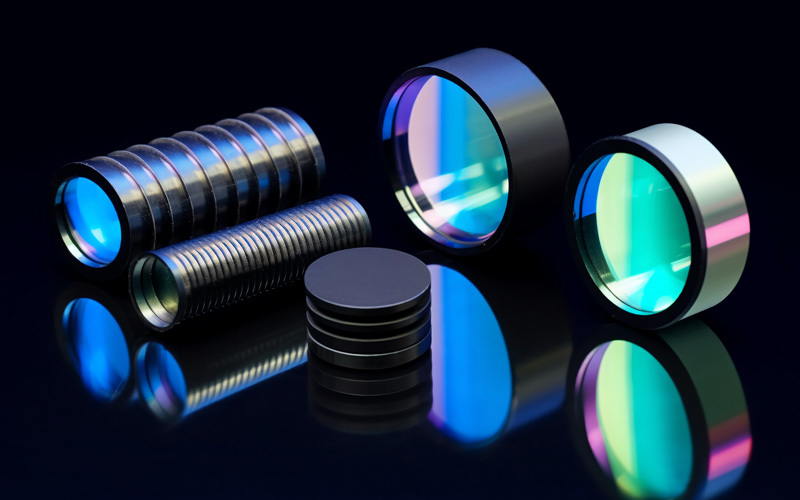
Optical filters are vital components in many scientific instruments, providing the capability to selectively transmit or block certain wavelengths of light. These filters play a crucial role in various applications, from photography and microscopy to telecommunications and environmental monitoring. Understanding the different types of optical filters and their functionalities can significantly enhance the effectiveness of optical systems.
2. Importance of Optical Filters in Instruments
The importance of optical filters cannot be overstated. They serve multiple purposes, including:
- **Enhancing Image Quality**: By filtering out unwanted wavelengths, optical filters improve contrast and clarity in imaging systems.
- **Protecting Sensitive Components**: Filters can safeguard detectors and sensors from harmful wavelengths that can cause damage or alter performance.
- **Facilitating Spectroscopic Analysis**: In research settings, filters enable the precise measurement of specific wavelengths, aiding in material characterization and analysis.
By utilizing optical filters effectively, researchers and professionals can refine their instruments, yielding more accurate and reliable results.
3. Types of Optical Filters
Optical filters can be categorized based on their function and design. Here, we delve into various types of optical filters commonly used in instruments.
3.1 Bandpass Filters
Bandpass filters are designed to transmit a specific range of wavelengths while blocking those outside this range. These filters are essential in applications like fluorescence microscopy, where only the desired emission wavelengths from a fluorescent sample need to be detected. Bandpass filters are characterized by their center wavelength and bandwidth, which defines the range of wavelengths they allow to pass through.
3.2 Lowpass Filters
Lowpass filters permit wavelengths below a certain cutoff frequency to pass through while attenuating higher frequencies. These filters are commonly used in optical systems where it is crucial to reduce noise from higher wavelengths. For instance, in imaging systems, lowpass filters help eliminate the effects of short-wavelength noise, enhancing the overall image quality.
3.3 Highpass Filters
Conversely, highpass filters allow wavelengths above a specified cutoff to pass while blocking lower wavelengths. These filters are particularly useful in applications where background light interference needs to be minimized, such as in scientific experiments involving light-sensitive detectors. Highpass filters enhance the signal-to-noise ratio, allowing for clearer readings.
3.4 Notch Filters
Notch filters, also known as bandstop filters, are designed to block a specific range of wavelengths while allowing all others to pass. These filters are beneficial in situations where certain wavelengths may interfere with measurements or imaging, such as in optical communication systems where specific spectral lines need to be excluded.
3.5 Polarizers
Polarizers are specialized filters that block light waves of certain orientations. They are commonly used in photography to reduce glare and enhance color saturation. In scientific instruments, polarizers can improve the accuracy of measurements by minimizing reflections and scatter, providing clearer data in experiments.
4. Applications of Optical Filters in Various Instruments
Optical filters find applications across a diverse range of fields. Here are some notable examples:
- **In Microscopy**: Optical filters enhance contrast and resolution, allowing researchers to visualize samples with precision.
- **In Spectroscopy**: They enable the analysis of material composition by isolating specific wavelengths of light for detailed study.
- **In Telecommunications**: Filters play a pivotal role in fiber optic communication by ensuring signal clarity and integrity over long distances.
- **In Photography**: Photographers utilize filters to manage light conditions, providing creative control over images.
Understanding the specific application of each type of filter is crucial for optimizing instrument performance.
5. How to Choose the Right Optical Filter
Selecting the appropriate optical filter for a specific application involves several considerations:
1. **Wavelength Range**: Determine the specific wavelengths that need to be filtered or passed through.
2. **Filter Type**: Choose between bandpass, lowpass, highpass, notch, or polarizing filters based on the application requirements.
3. **Material**: Consider the material of the filter, as different materials have varying transmission characteristics.
4. **Durability**: Assess the environmental conditions the filter will be exposed to; certain materials may be more suitable for harsh conditions.
5. **Cost**: Balance between performance needs and budget constraints, as some high-quality filters may come with a premium price.
By carefully evaluating these factors, professionals can ensure they select the right optical filter to meet their needs.
6. Maintenance and Care of Optical Filters
Proper maintenance of optical filters is essential to preserve their efficiency and lifespan. Here are some tips for maintaining your optical filters:
- **Regular Cleaning**: Use a soft, lint-free cloth or lens cleaning solution to remove dust and smudges. Avoid abrasive materials that can scratch the filter surface.
- **Proper Storage**: Store filters in protective cases when not in use to prevent damage. Avoid exposing them to extreme temperatures and humidity.
- **Periodic Calibration**: For high-precision applications, consider periodic calibration and testing of filters to ensure they maintain their specified performance.
Taking these steps will help maintain optimal performance and extend the lifespan of your optical filters.
7. Future Trends in Optical Filtering Technology
The field of optical filtering is continually evolving with advancements in technology. Some emerging trends include:
- **Nanotechnology**: The development of nanostructured filters is leading to enhanced performance, allowing for more precise wavelength control and reduced size.
- **Smart Filters**: Adaptive optical filters that respond dynamically to changes in the environment are being developed, promising greater versatility in applications.
- **Integration with Digital Systems**: The integration of optical filters with digital imaging and detection systems is enhancing the capabilities of optical instruments, enabling real-time data analysis.
These trends indicate a promising future for optical filtering technology, opening new avenues for research and application.
8. Frequently Asked Questions
**Q1: What is the main purpose of optical filters?**
A1: Optical filters are used to selectively transmit or block specific wavelengths of light, enhancing the performance of various optical instruments.
**Q2: How do I choose the right optical filter for my application?**
A2: Consider factors such as the required wavelength range, filter type, material, durability, and budget when selecting an optical filter.
**Q3: How should I clean my optical filters?**
A3: Use a soft, lint-free cloth or a recommended lens cleaning solution to gently clean the filter, avoiding any abrasive materials.
**Q4: Can optical filters be used in photography?**
A4: Yes, optical filters are widely used in photography to manage light and enhance image quality by reducing glare and improving color saturation.
**Q5: What are the latest advancements in optical filtering technology?**
A5: Emerging trends include nanotechnology, smart filters, and integration with digital systems, which are enhancing filter performance and application versatility.
9. Conclusion
Understanding the different types of optical filters used in instruments is essential for harnessing their full potential in various applications. By grasping the functionalities and characteristics of bandpass, lowpass, highpass, notch, and polarizing filters, professionals can make informed decisions to enhance their instruments' performance. As technology continues to evolve, staying updated on the latest advancements in optical filtering will be crucial for professionals in the field. Embracing these insights will enable better outcomes in research, industry applications, and beyond.
keywords: Understanding Different Types of Optical Filters Used in Instruments: A Comprehensive Guide
Related information
Knowledge
-
Understanding Aspheric Lenses: A Key Component in Optical Instruments
Time:2026-07-04
-
Designing Custom Ball Lenses for Specialized Optical Needs
Time:2026-07-03
-
Infrared Optical Lens – High-Precision IR Lens for Thermal Imaging, Night Vision, and Industrial Optical Systems
Time:2026-07-03
-
The Versatility of Zinc Sulfide Windows in Optical Applications
Time:2026-07-02
-
Key Features to Look for in High-Performance Optical Windows
Time:2026-07-01
-
Understanding the Functionality and Applications of Plano-Convex Cylindrical Lenses
Time:2026-06-30
-
The Comprehensive Guide to Understanding the Relationship Between Optical Filters and Light Wavelengths
Time:2026-06-29
-
Understanding Optical Prisms: Their Applications and Importance in Optical Instruments
Time:2026-06-28
-
Understanding the Optical Properties of Different Dome Shapes: A Comprehensive Exploration
Time:2026-06-27
-
Understanding Aspheric Lenses: Key Insights for Optical Instrumentation
Time:2026-06-26
-
Key Trends in Ball Lens Technology for 2024: Innovations and Applications
Time:2026-06-25
-
Understanding Zinc Sulfide Windows: Essential Insights for Optical Applications
Time:2026-06-24
-
Optical Windows in Medical Imaging: Applications and Benefits
Time:2026-06-23
-
Unlocking the Potential of Plano-Convex Cylindrical Lenses in Optical Applications
Time:2026-06-22
-
Common Misconceptions About Optical Filters Debunked: Unveiling the Truth Behind Optical Technologies
Time:2026-06-21
-
The Science and Applications of Optical Prisms in Modern Instruments
Time:2026-06-20
-
Optical Domes: Enhancing Light Transmission in Advanced Instruments
Time:2026-06-19
-
Understanding Aspheric Lenses: A Key Component in Optical Instruments
Time:2026-06-18
-
The Role of Ball Lenses in Fiber Optic Communication: Enhancing Signal Integrity and Efficiency
Time:2026-06-17
-
Understanding Zinc Sulfide Windows: A Key Component in Optical Applications
Time:2026-06-12
-
How to Evaluate the Quality of Optical Windows: A Comprehensive Guide
Time:2026-06-11
-
Understanding Plano-Convex Cylindrical Lenses: Applications and Benefits in Optical Instruments
Time:2026-06-10
-
The Future of Optical Filters in Emerging Technologies: Innovations and Applications
Time:2026-06-09
-
The Fascinating World of Optical Prisms: Unveiling Their Science and Applications
Time:2026-06-08
-
The Advantages of Using Optical Domes in Harsh Environments
Time:2026-06-07
-
Understanding Aspheric Lenses: Revolutionizing Optical Precision
Time:2026-06-06
-
How to Optimize Light Collection with Ball Lenses: A Comprehensive Guide
Time:2026-06-05
-
Exploring the Advantages of Zinc Sulfide Windows in Optical Applications
Time:2026-06-04
-
Optical Windows in Astronomy: Enhancing Celestial Observations for Better Understanding of the Universe
Time:2026-06-03
-
Understanding Plano Convex Cylindrical Lenses: Key Insights for Optical Instrumentation
Time:2026-06-02
-
How Optical Filters Enhance Photodetector Performance: Unveiling the Science
Time:2026-06-01
-
Understanding Optical Prisms: Essential Components in Optical Instruments
Time:2026-05-31
-
Unlocking Precision: Key Manufacturing Processes for High-Quality Optical Domes
Time:2026-05-30
-
Understanding Aspheric Lenses: Benefits and Applications in Optical Instruments
Time:2026-05-29
-
Ball Lenses: A Vital Component in Advancing Laser System Technologies
Time:2026-05-28
-
Exploring the Benefits and Applications of Zinc Sulfide Windows in Optical Instruments
Time:2026-05-27
-
Common Challenges with Optical Windows and How to Overcome Them
Time:2026-05-26
-
Understanding Plano-Convex Cylindrical Lenses: Essential Insights for Optical Professionals
Time:2026-05-25
-
Comparing Passive and Active Optical Filters: Which is Best for Your Application?
Time:2026-05-24
-
Understanding Optical Prisms: A Comprehensive Guide for Enhanced Optical Applications
Time:2026-05-23
-
What Makes Optical Domes Indispensable in Scientific Instruments?
Time:2026-05-22
-
Understanding Aspheric Lenses: A Key Component in Optical Instruments
Time:2026-05-21
-
Exploring the Critical Role of Ball Lenses in Advanced Medical Imaging Equipment
Time:2026-05-20
-
The Versatility and Applications of Zinc Sulfide Windows in Optical Instruments
Time:2026-05-19
-
The Essential Guide to Plano Convex Cylindrical Lenses in Optical Instruments
Time:2026-05-18
-
Comparing Glass and Crystal Optical Windows: Which Material Reigns Supreme?
Time:2026-05-18
-
The Essential Guide to Plano-Convex Cylindrical Lenses in Optical Instruments
Time:2026-05-17
-
Effective Usage of Optical Filters in Environmental Monitoring: Enhancing Data Accuracy and Quality
Time:2026-05-16
-
Understanding Optical Prisms: Essential Insights for Professionals in Optics
Time:2026-05-15
-
The Versatile Applications of Zinc Sulfide Windows in Optics
Time:2026-05-15
-
The Versatile Applications of Zinc Sulfide Windows in Optics
Time:2026-05-15
-
Understanding Aspheric Lenses: A Comprehensive Guide for Professionals in Optical Instruments
Time:2026-05-14
-
Understanding Optical Prisms: Essential Insights for Professionals in Optical Instruments
Time:2026-05-14
-
Custom Optical Domes: Tailoring Solutions for Specific Instrument Needs
Time:2026-05-14
-
Understanding the Benefits and Applications of Plano Convex Cylindrical Lenses
Time:2026-05-13
-
Exploring the Applications and Advantages of Zinc Sulfide Windows in Optical Instruments
Time:2026-05-13
-
Understanding Aspheric Lenses: Revolutionizing Optical Instruments
Time:2026-05-13
-
The Importance of Surface Quality in Ball Lens Manufacturing: Achieving Optical Excellence
Time:2026-05-12
-
The Essential Role of Optical Windows in Cutting-Edge Environmental Monitoring Instruments
Time:2026-05-10
-
Optical Filters: Essential Components for Precision Measurement in Instrumentation
Time:2026-05-08
-
The Future of Optical Domes: Trends and Innovations in the Optical Instruments Industry
Time:2026-05-06
-
In-Depth Guide to the Optical Properties of Ball Lenses: Enhancing Performance in Optical Applications
Time:2026-05-04
-
How Optical Windows Enhance Imaging Systems for Superior Clarity and Performance
Time:2026-05-02
-
Understanding Optical Filter Specifications for Better Results in Instrumentation
Time:2026-04-30
-
How Optical Domes Enhance Environmental Resilience in Instruments
Time:2026-04-28
-
How Ball Lenses Are Shaping the Future of Imaging Technologies
Time:2026-04-26
-
Understanding the Intricacies of the Manufacturing Process of Optical Windows
Time:2026-04-24
-
Understanding Plano-Convex Cylindrical Lenses: Applications and Benefits
Time:2026-04-23
-
Bandpass Optical Filter Innovation Drives Precision Growth in Global Photonics Industry
Time:2026-04-22
-
Exploring the Crucial Applications of Optical Filters in Biomedical Instruments
Time:2026-04-22
-
Understanding Optical Prisms: The Key to Light Manipulation
Time:2026-04-21
-
Optical Domes vs. Traditional Lenses: A Comprehensive Comparative Analysis
Time:2026-04-20
-
Understanding Aspheric Lenses: Unlocking Their Potential in Optical Instruments
Time:2026-04-19
-
Top Factors to Consider When Selecting Ball Lenses for Your Project
Time:2026-04-18
-
Exploring the Benefits and Applications of Zinc Sulfide Windows in Optical Instruments
Time:2026-04-17
-
Optical Windows: The Essential Component in Laser Technology
Time:2026-04-16
-
Understanding Plano-Convex Cylindrical Lenses: Key Insights for Optical Instrumentation
Time:2026-04-15
-
The Critical Role of Optical Filters in Precision Color Measurement Devices
Time:2026-04-14
-
Understanding Optical Prisms: Essential Insights for Professionals in Optical Instruments
Time:2026-04-13
-
Exploring Different Materials for Optical Domes in Optical Instruments
Time:2026-04-12
-
Understanding Aspheric Lenses: Enhancing Optical Performance in Instruments
Time:2026-04-11
-
The Future of Optical Technology: Breakthroughs in Ball Lens Design
Time:2026-04-10
-
Understanding Zinc Sulfide Windows: Key Features and Applications
Time:2026-04-09
-
The Importance of Optical Windows in Spectroscopy Applications: Enhancing Precision and Efficiency
Time:2026-04-08
-
Understanding Plano-Convex Cylindrical Lenses: Applications and Benefits
Time:2026-04-07
-
How Optical Filters Enhance Light Transmission in Instruments for Superior Performance
Time:2026-04-06
-
Understanding Optical Prisms: Fundamental Principles and Applications
Time:2026-04-05
-
The Impact of Optical Dome Design on Instrument Accuracy: A Comprehensive Analysis
Time:2026-04-04
-
Understanding Aspheric Lenses: Revolutionizing Optical Instrumentation
Time:2026-04-03
-
Ball Lenses vs. Traditional Lenses: Important Insights for Optical Applications
Time:2026-04-02
-
Aspheric Cylindrical Lens: Enabling Next-Generation Precision Optics and Laser Applications
Time:2026-04-02
-
The Versatility and Applications of Zinc Sulfide Windows in Optical Instruments
Time:2026-04-01
-
Choosing the Right Coatings for Your Optical Window: A Comprehensive Guide
Time:2026-03-31
-
Understanding Plano-Convex Cylindrical Lenses: A Comprehensive Guide for Optical Instrumentation
Time:2026-03-30
-
Innovative Techniques for Designing Optical Filters: Enhancing Performance and Efficiency
Time:2026-03-29
-
The Essential Guide to Optical Prisms: Understanding Their Role in Optical Instruments
Time:2026-03-28
-
How to Choose the Right Optical Dome for Your Optical Setup
Time:2026-03-27
-
Understanding Aspheric Lenses: Revolutionizing Optical Instrumentation
Time:2026-03-26
-
Common Myths About Ball Lenses Debunked: Understanding Their True Functionality
Time:2026-03-25
-
Understanding Zinc Sulfide Windows: A Comprehensive Guide for Optical Professionals
Time:2026-03-24
-
The Future of Optical Windows: Trends and Predictions in Advanced Optical Technologies
Time:2026-03-23
-
Understanding Plano-Convex Cylindrical Lenses: Applications and Benefits in Optical Instruments
Time:2026-03-22
-
Maximizing Performance: The Importance of Quality Optical Filters
Time:2026-03-21
-
Understanding Optical Prisms: Applications and Insights for Precision Instruments
Time:2026-03-20
-
A Comprehensive Guide to Optical Domes: Applications and Insights for Instruments
Time:2026-03-19
-
Understanding Aspheric Lenses: A Key Component in Optical Instruments
Time:2026-03-18
-
The Impact of Ball Lens Design on Optical Performance: An In-Depth Analysis
Time:2026-03-17
-
The Essential Guide to Zinc Sulfide Windows in Optical Instruments
Time:2026-03-16
-
How to Maintain and Care for Your Optical Windows: Expert Tips for Longevity and Clarity
Time:2026-03-15
-
Understanding Plano-Convex Cylindrical Lenses: Applications and Characteristics
Time:2026-03-14
-
The Evolution of Optical Filters in Scientific Instruments: A Comprehensive Overview
Time:2026-03-13
-
Understanding Optical Prisms: Applications and Principles in Optical Instruments
Time:2026-03-12
-
Innovations in Optical Dome Technology for Enhanced Instrumentation
Time:2026-03-11
-
Understanding Aspheric Lenses: Transforming Optical Instrumentation
Time:2026-03-10
-
Choosing the Right Ball Lens for Your Optical Applications: A Comprehensive Guide
Time:2026-03-09
-
The Essential Guide to Zinc Sulfide Windows in Optical Instruments
Time:2026-03-08
-
Innovations in Optical Window Technology: What You Need to Know
Time:2026-03-07
-
Essential Insights into Plano-Convex Cylindrical Lenses for Optical Instrumentation
Time:2026-03-06
-
Top Factors to Consider When Selecting Optical Filters for Precision Instrumentation
Time:2026-03-05
-
Understanding Optical Prisms: The Science Behind Light Manipulation
Time:2026-03-04
-
Optical Domes: Essential Considerations for Achieving Peak Performance
Time:2026-03-03
-
The Essential Guide to Aspheric Lenses in Optical Instruments
Time:2026-03-02
-
A Deep Dive into the Manufacturing Process of Ball Lenses
Time:2026-03-01
-
Understanding Zinc Sulfide Windows: Properties and Applications in Optical Instruments
Time:2026-02-28
-
The Impact of Optical Windows on Light Transmission Efficiency: Understanding the Science Behind Optimal Performance
Time:2026-02-27
-
Understanding Plano Convex Cylindrical Lenses: Applications and Benefits in Optical Instruments
Time:2026-02-26
-
The Impact of Optical Filters on Spectroscopy Results: A Comprehensive Guide
Time:2026-02-25
-
Understanding Optical Prisms: Applications and Principles in Optical Instruments
Time:2026-02-24
-
Top Applications of Optical Domes in Modern Optical Instruments
Time:2026-02-23
-
Unlocking the Power of Aspheric Lenses in Optical Instruments
Time:2026-02-22
-
How Ball Lenses Enhance Optical Device Performance for Precision Applications
Time:2026-02-21
-
Understanding Zinc Sulfide Windows: Key Properties and Applications in Optical Instruments
Time:2026-02-20
-
Why Optical Windows are Crucial for Achieving High-Precision Measurements
Time:2026-02-19
-
Understanding the Functions and Applications of Plano-Convex Cylindrical Lenses
Time:2026-02-18
-
Understanding Different Types of Optical Filters Used in Instruments: A Comprehensive Guide
Time:2026-02-17
-
Understanding Optical Prisms: Their Functionality and Applications
Time:2026-02-16
-
Why Optical Domes are Essential for High-Quality Imaging
Time:2026-02-15
-
Understanding Aspheric Lenses: Key Innovations in Optical Instruments
Time:2026-02-14
-
Enhancing Light Transmission: The Essential Role of Ball Lenses in Optics
Time:2026-02-13
-
The Versatility of Zinc Sulfide Windows in Optical Applications
Time:2026-02-12
-
Exploring Different Types of Optical Windows and Their Uses: A Comprehensive Guide
Time:2026-02-11
-
Understanding the Plano-Convex Cylindrical Lens: Applications and Benefits
Time:2026-02-10
-
Choosing the Right Optical Filter for Your Measurement Needs: A Comprehensive Guide
Time:2026-02-09
-
Understanding Optical Prisms: Essential Tools for Precision Measurement
Time:2026-02-08
-
The Science Behind Optical Domes: A Comprehensive Exploration of Their Design and Functionality
Time:2026-02-07
-
Plano Convex Cylindrical Lens Drives Precision Advancement in Modern Optical Applications
Time:2026-02-06
-
Unlocking the Potential of Aspheric Lenses in Optical Instruments
Time:2026-02-06
-
The Science Behind Ball Lenses: Unlocking Their Functionality and Applications
Time:2026-02-05
-
The Essential Guide to Zinc Sulfide Windows in Optical Instruments
Time:2026-02-04
-
Top Considerations When Choosing an Optical Window for Your Project
Time:2026-02-03
-
Understanding Plano-Convex Cylindrical Lenses: Key Insights for Optical Instrumentation
Time:2026-02-02
-
The Science Behind Optical Filters: Applications and Benefits
Time:2026-02-01
-
Understanding Optical Prisms: A Key Component in Optical Instruments
Time:2026-01-31
-
Understanding the Role of Optical Domes in Advanced Measurement Tools
Time:2026-01-30
-
Understanding Aspheric Lenses: A Key Component in Optical Instruments
Time:2026-01-29
-
Innovative Applications of Ball Lenses in Modern Optics: Exploring the Future of Optical Technology
Time:2026-01-24
-
Understanding Zinc Sulfide Windows: Applications and Benefits in Optical Instruments
Time:2026-01-23
-
The Science Behind Optical Windows: Materials and Applications
Time:2026-01-22
-
Understanding Plano-Convex Cylindrical Lenses: Essential Insights for Optical Instrumentation
Time:2026-01-21
-
How Optical Filters Enhance Image Quality in Optical Instruments
Time:2026-01-20
-
Understanding Optical Prisms: Unveiling the Science Behind Light Manipulation
Time:2026-01-19
-
How Optical Domes Enhance Optical Performance in Instruments
Time:2026-01-18
-
Understanding Aspheric Lenses: Enhancing Optical Performance in Instrumentation
Time:2026-01-17
-
Why Ball Lenses are Essential for Precision in Optical Systems
Time:2026-01-16
-
Understanding Zinc Sulfide Windows: A Key Component in Optical Instruments
Time:2026-01-15
-
How Optical Windows Enhance Performance in Optical Instruments
Time:2026-01-14
-
Understanding Plano-Convex Cylindrical Lenses: Applications and Benefits
Time:2026-01-13
-
Exploring the Role of Optical Filters in Modern Instrumentation: Enhancing Precision and Performance
Time:2026-01-12
-
Understanding Optical Prisms: The Essentials for Instrumentation and Measurement
Time:2026-01-11
-
Exploring the Benefits of Optical Domes in Precision Instruments
Time:2026-01-10
-
The Advantages and Applications of Aspheric Lenses in Optical Instruments
Time:2026-01-09
-
Exploring the Versatility of Ball Lenses in Optical Instruments
Time:2026-01-08
-
Understanding Zinc Sulfide Windows: Key Features and Applications in Optical Instruments
Time:2026-01-07
-
Understanding the Essential Role of an Optical Window in Modern Instruments
Time:2026-01-06
-
The Growing Importance of Infrared Optical Lenses in Modern Technology
Time:2026-01-06
Blog
-
The application of CSOPT micro-optical components in the field of medical technology
Time:2025-10-31
-
"HR Coating: Enhancing Durability and Performance"
Time:2025-07-28
-
CSOPT -China Star Optics shines at the 2025 Changchun Optics Expo
Time:2025-06-27
-
Optical Manufacturing: From Glass to Precision Optics
Time:2025-05-06
-
A Tricky Question-What color is a mirror?
Time:2025-04-08
-
A Closer Look at Optical Domes: Design, Materials, and Applications
Time:2025-03-03
-
AI website building technology comes into its own: website development ushers in new changes
Time:2022-07-28
-
Continuously innovate and introduce more and better services to create intelligent Chinese enterprises and accomplish smart entrepreneurs!
Time:2022-01-10
-
Technological innovation is the key to core competitiveness
Time:2021-11-12
-
Informatization will be the way for SMEs to enhance their competitiveness
Time:2021-11-12
Exhibitions
-
Exploring New Horizons: CSOPT at Photonics Russia 2025
Time:2025-04-12
-
CSOPT at APE 2025 – Booth D106
Time:2025-02-25
-
CSOPT Successfully Concludes Participation at Optatec 2024 in Frankfurt
Time:2024-05-20
-
CSOPT Is Heading to Russia for Photonics 2024
Time:2024-03-15
-
CSOPT at APE 2024, Singapore
Time:2024-03-10
-
CSOPT will participate in SPIE Photonics West 2024
Time:2024-01-25
-
Highlights from the 24th China International Optoelectronic Exposition (CIOE)
Time:2023-09-09
-
China Star Optics Concludes a Successful Exhibition at LASER World of PHOTONICS 2023
Time:2023-06-20
Videos
Download
Tel / WhatsApp
Technical Support
Address
No.617 Hongwan International, west of Shenzhen Street, south of Pudong Road, Economic and Technological Development Zone

All rights reserved©2025 China Star Optics Technology Co., Ltd.